
Ruwanweli Maha Seya
-
Buddhist Temple
-
Religious Place
About this Attraction
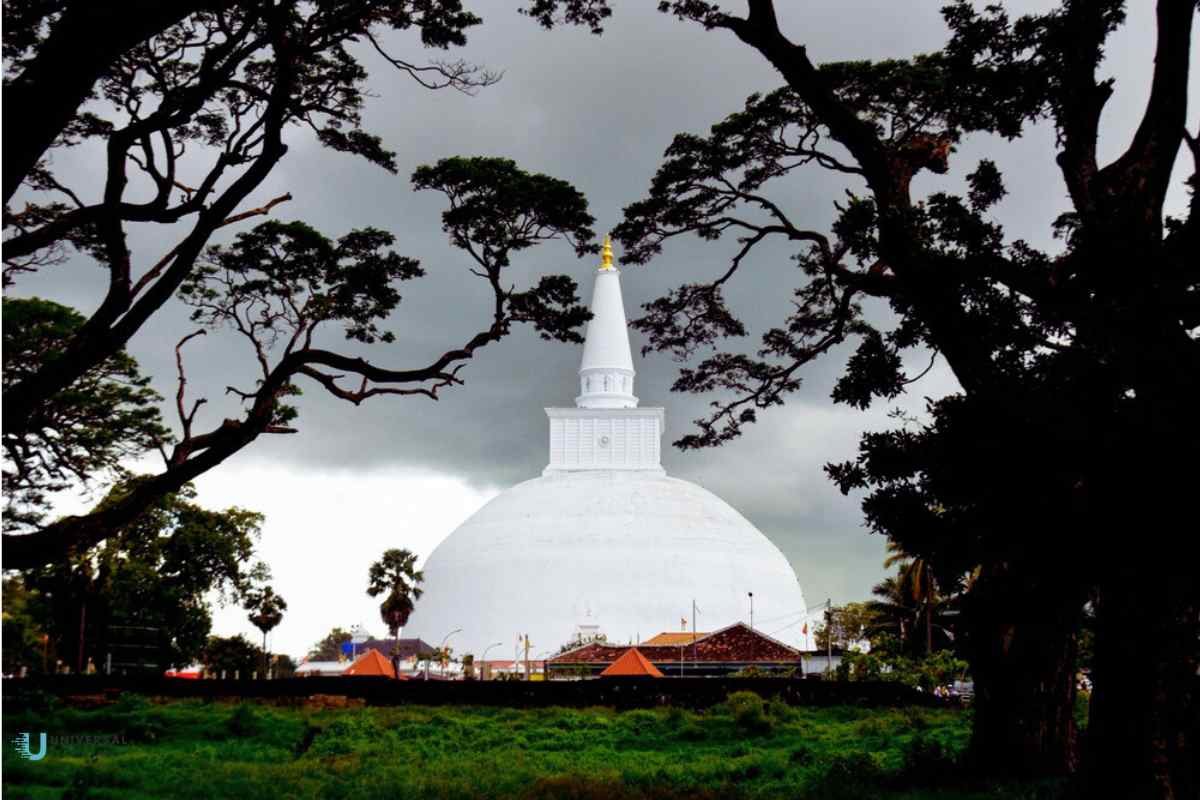
The Ruwanweli Maha Seya, also known as Maha Thupa, Swarnamali Chaitya, and Rathnamali Dagaba, is one of the most sacred Buddhist sites in Sri Lanka. Nestled in the ancient city of Anuradhapura, it was built around 140 B.C. by the legendary King Dutugemunu. The stupa is not only a monument of religious devotion but also a marvel of ancient engineering.
Historical Significance and Construction
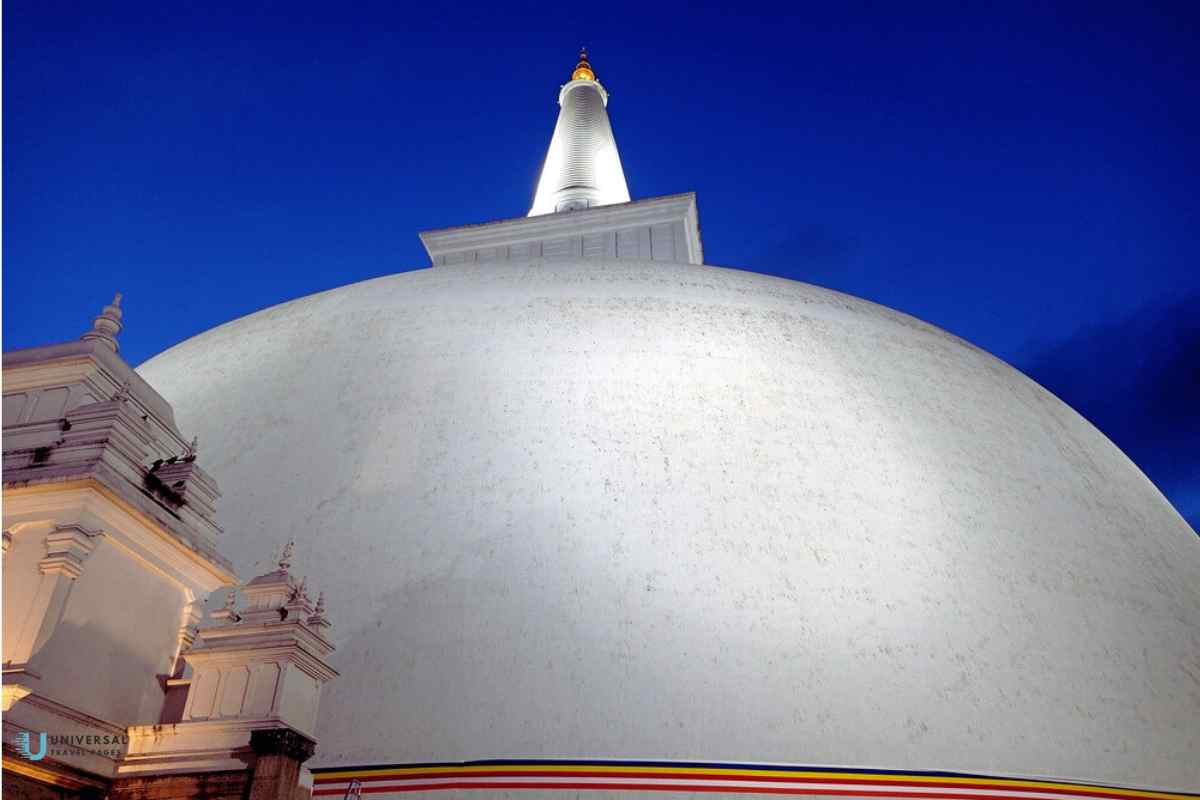
The stupa enshrines two quarts (one dona) of the Buddha’s relics, making it the largest repository of such relics in the world. It originally stood at 55 meters but now reaches 103 meters in height with a 290-meter circumference, earning its title as one of the tallest ancient monuments globally.
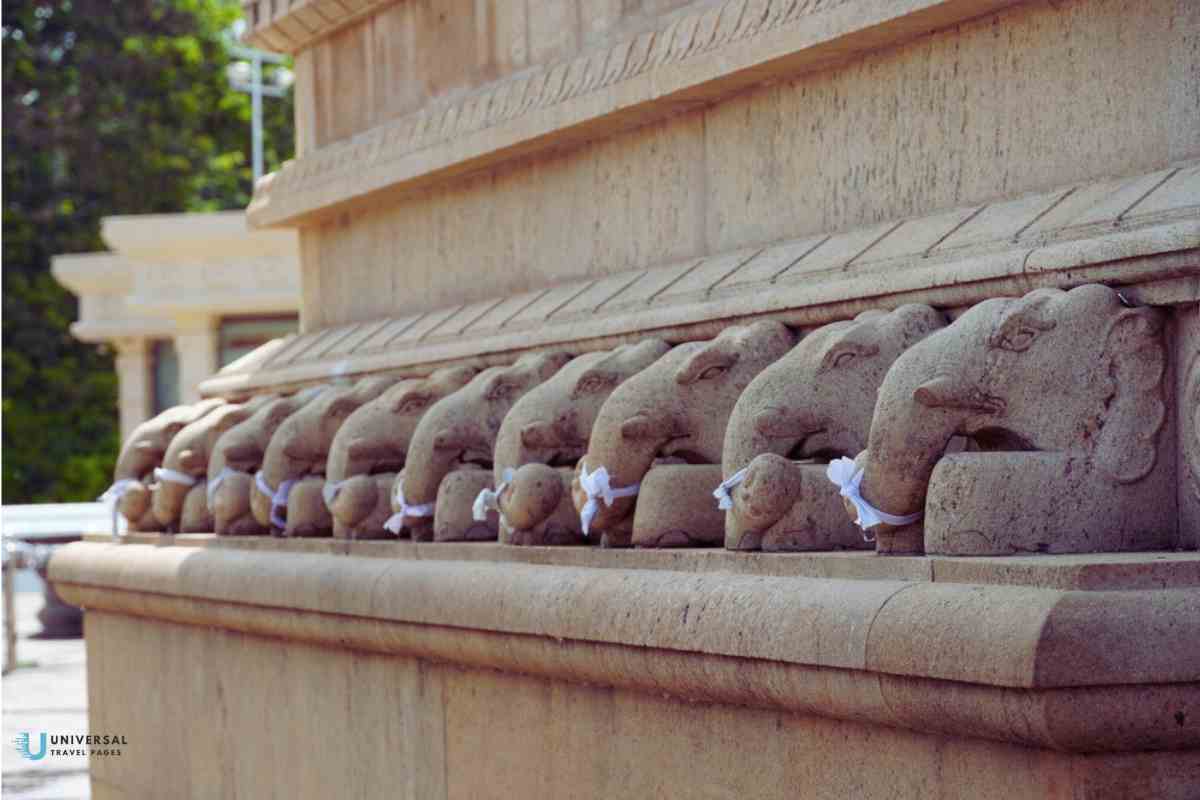
The Mahavamsa (Sri Lanka’s historical chronicle) records the meticulous construction of the stupa, from King Devanampiyatissa’s initial preparations to Arhants overseeing the final steps. The foundation was layered with stone, Himalayan clay, iron, mercury, bronze, arsenic, and silver, suggesting an advanced knowledge of materials and structural reinforcement.
Spiritual Power or Electrical Engineering?
Modern researchers and historians, such as Architect Shreen Amendra, propose that the Mahathupa’s design may go beyond spiritual symbolism. The chathra (umbrella), once placed atop the stupa and connected with copper upakhila, might have harnessed atmospheric electricity during thunderstorms.
Amendra speculates that this system may have functioned as a giant capacitor or energy harvester, possibly broadcasting electromagnetic pulses detectable by celestial beings. This indicates a mix of spirituality and technology.
The Relic Chamber: An Untouched Mystery
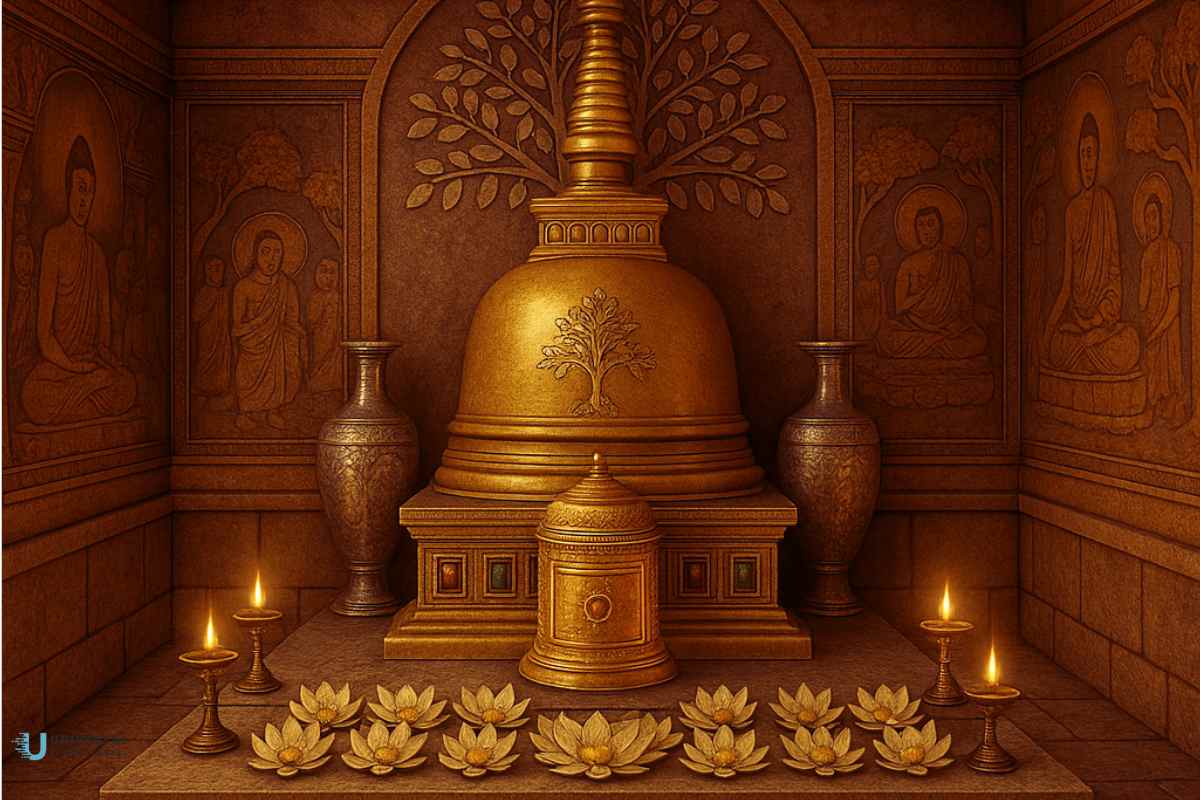
The sacred relic chamber is buried deep within the stupa, untouched by archaeologists today. It is believed to house the relics of Lord Buddha, encased in a golden chamber adorned with silver, copper, rock crystals, and a silver replica of the Bodhi tree. The vajrasana (diamond seat) at the heart of the chamber symbolises indestructibility.
The Arhants determined that this chamber would:
-
Never shake from earthquakes,
-
Never wither the offered flowers,
-
Never extinguish the lamps,
-
Never dry the scented clay,
-
And never stain or scratch its contents.
Renovation and Modern Legacy
By the 19th century, the stupa had fallen into decay. Thanks to the Ruwanweli Seya Restoration Society, founded in 1902, it was magnificently restored. A key contributor, Hendrick Appuhamy, donated Rs. 20 million (equivalent to USD 611 million in 2021). In 1940 and again in 2019, the stupa's apex was crowned with precious gems.
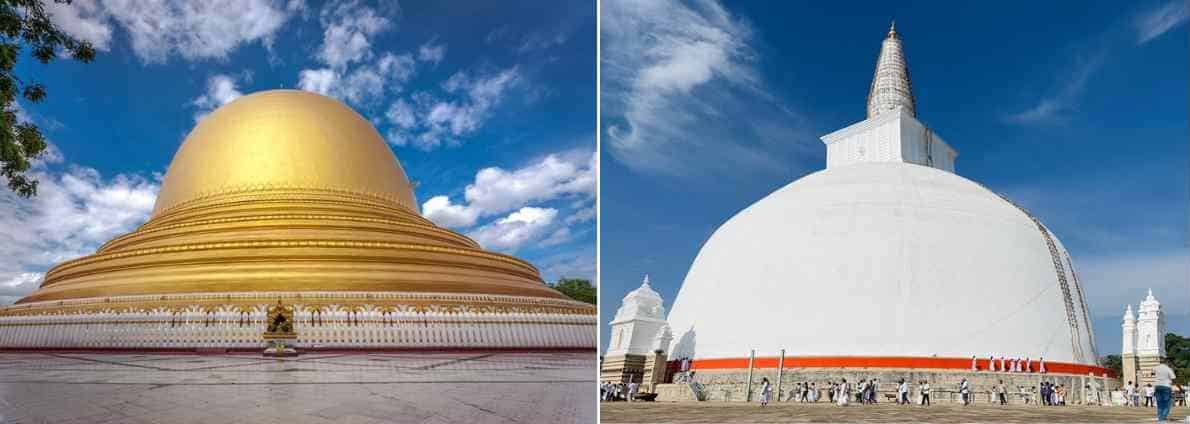
Its majestic architecture has inspired Buddhist monuments worldwide, including the Kaunghmudaw Pagoda in Myanmar.
Cultural & Religious Importance
Ruwanweli Maha Seya is part of:
-
Solosmasthana – the 16 sacred places of worship,
-
Atamasthana – the 8 holy sites in Anuradhapura.
Pilgrims worldwide visit to meditate, offer flowers, and observe rituals. It symbolises devotion and Sri Lanka’s enduring legacy of spiritual identity.
Dress Code and Visitor Etiquette
When visiting Ruwanweli Maha Seya, it’s essential to respect local customs:
-
Wear white or light-coloured clothing that covers shoulders and knees.
-
Remove your shoes and hats before entering the sacred premises.
-
Avoid loud conversations and always walk in a clockwise direction around the stupa.
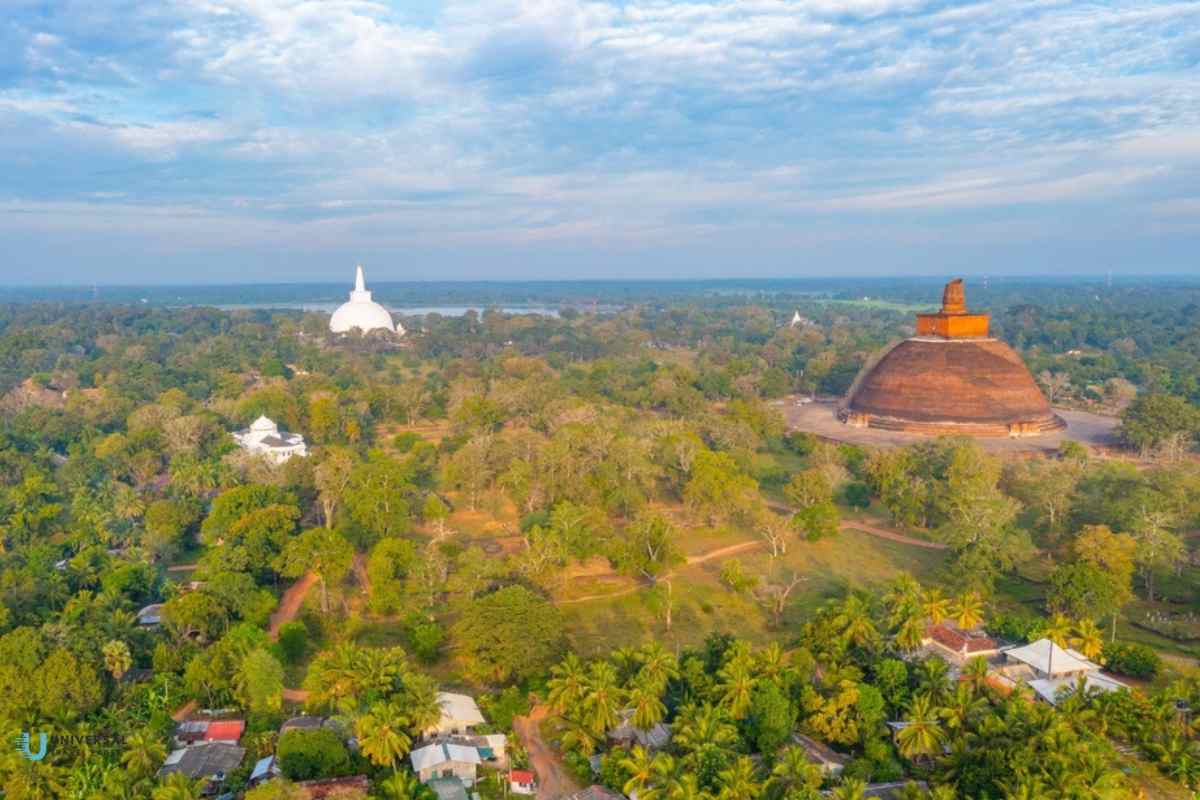
The Ruwanweli Maha Seya is more than a stupa—it bridges history, spirituality, and mystery. Whether it served as a spiritual beacon or an ancient energy transmitter, it fascinates pilgrims, engineers, and scholars alike. A testament to Sri Lanka’s ancient wisdom, the Mahathupa stands resilient and revered, connecting the past to the present.
Best Time to Visit
-
This is an ideal to visit year-round, offering unique experiences and enchanting beauty in every season.
-
Year's busiest month is June
Required time for Explore this Attraction
-
Visitors typically require around 30 minutes to explore and enjoy its key highlights.
Highlights
-
Accepts Credit Card
-
Dress Code Required
-
Entry Fees : 20 USD to 30 USD ( One ticket for entire Anuradhapura sites )
-
Gift Shop Available
-
Parking Available
-
Toilets Available
Weather in next three days near this attraction
YouTube Video about this Attraction
Location of this Attraction
Hotel Booking