


Sri Lanka is a land of vibrant culture, spiritual devotion, and joyful celebration. Throughout the year, the island hosts a colourful array of festivals and cultural events that reflect its multi-ethnic, multi-religious society. These festivals are not just holidays—they are powerful expressions of community, heritage, and faith, often accompanied by music, dance, food, and elaborate rituals.
From the majestic Esala Perahera in Kandy with its glowing tuskers and fire dancers, to the peaceful light of Vesak Poya, which celebrates the birth, enlightenment, and passing of the Buddha, Sri Lanka’s calendar is full of spiritual energy. Hindu celebrations like Thai Pongal and Deepavali bring colour and tradition to Tamil homes, while Christmas and Ramadan are marked with equal respect by Christian and Muslim communities.

Cultural festivals such as the Galle Literary Festival and Kala Pola Art Fair showcase the island’s growing creative spirit, blending modern voices with ancient roots. Each month offers something unique—from traditional harvest rituals in January to vibrant New Year festivals in April and Katharagama processions in July.
For travellers, attending one of these festivals is an unforgettable way to connect with local life. Whether you’re drawn to spiritual processions, sacred rituals, or artistic showcases, Sri Lanka’s festival scene offers a deep and immersive cultural experience that truly reflects the island’s soul.
Why Are Sri Lanka’s Festivals So Special?
- 🇱🇰 Multicultural Harmony: With Buddhists, Hindus, Muslims, and Christians living side by side, Sri Lanka's festivals are vibrant expressions of peaceful coexistence. Each community celebrates its own traditions while respectfully participating in others' celebrations, creating a unique blend of cultural empathy and spiritual unity. For instance, during Sinhala and Tamil New Year, people of all faiths join in the festivities with traditional games and food sharing. Likewise, Vesak lanterns light up streets across the country—regardless of religion—demonstrating a shared national spirit rooted in mutual respect and harmony.
- 🎊 Rich Heritage & Ancient Traditions: Many celebrations date back centuries, showcasing rituals, dances, and processions rooted in deep spiritual meaning.
- 🐘 Cultural Grandeur: From bejeweled elephants to traditional dancers and fire twirlers, Sri Lankan festivals are visual spectacles unlike any other.
- 🌿 Harmony with Nature: Most festivals follow the lunar calendar and are tied to full moons or seasonal transitions, reflecting spiritual and natural rhythms.
- 🍛 Unique Festival Cuisine: Enjoy traditional foods like milk rice during Avurudu, pongal sweets during Thai Pongal, and vegetarian feasts on Vesak.
- 🌏 Open to All: Tourists are often welcomed to join in, making these festivals an immersive and unforgettable cultural experience.
Top Monthly Festivals in Sri Lanka
A Cultural Calendar
January kicks off the cultural calendar in Sri Lanka with colorful processions, spiritual observances, and vibrant community gatherings. The dry, sunny climate in most parts of the country makes it a great month for visitors to explore both tradition and celebration.
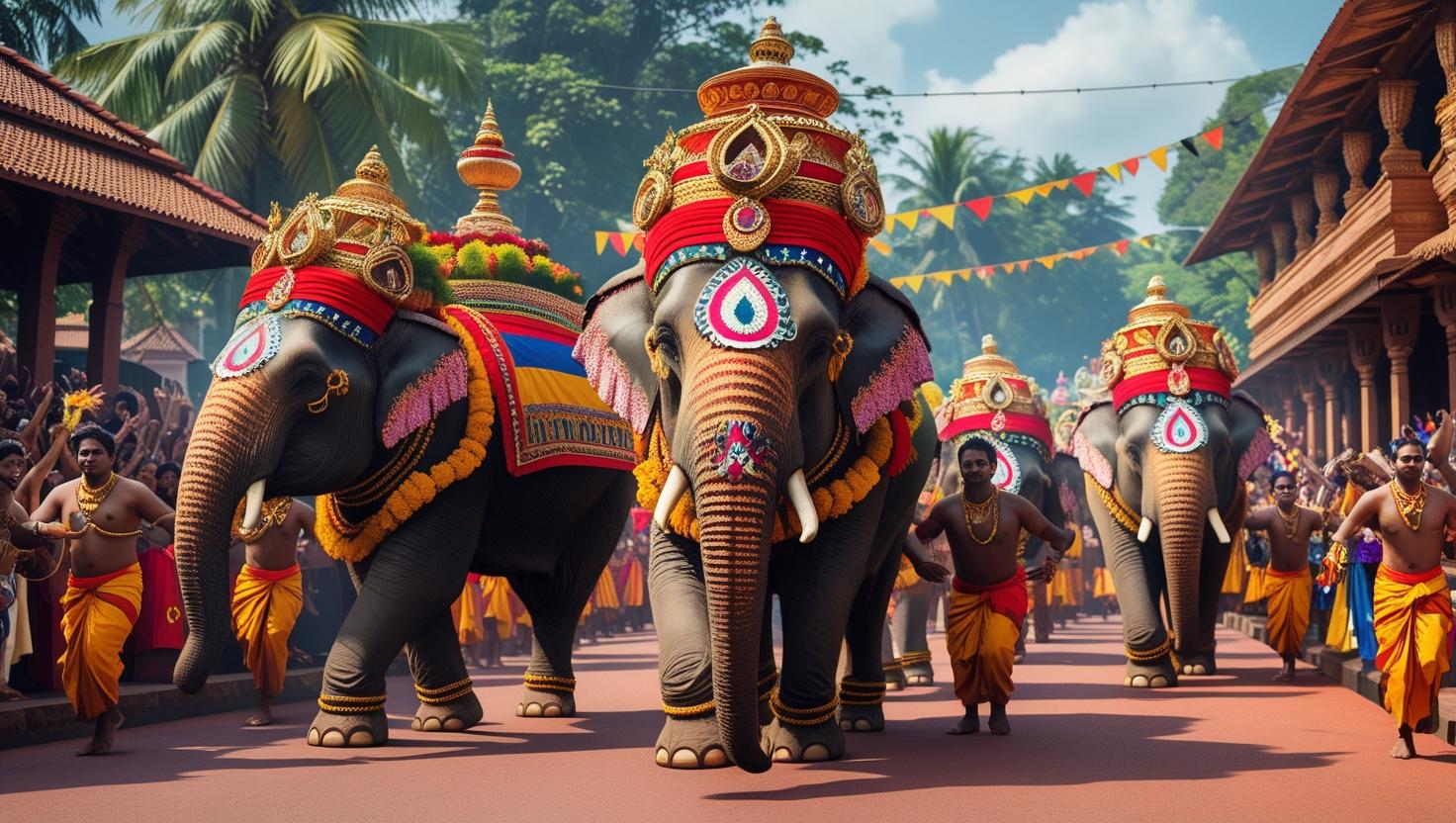
- 🎉 Duruthu Perahera (Kelaniya): One of the island’s oldest Buddhist festivals, held near Colombo, with grand parades featuring fire dancers, drummers, and adorned elephants.
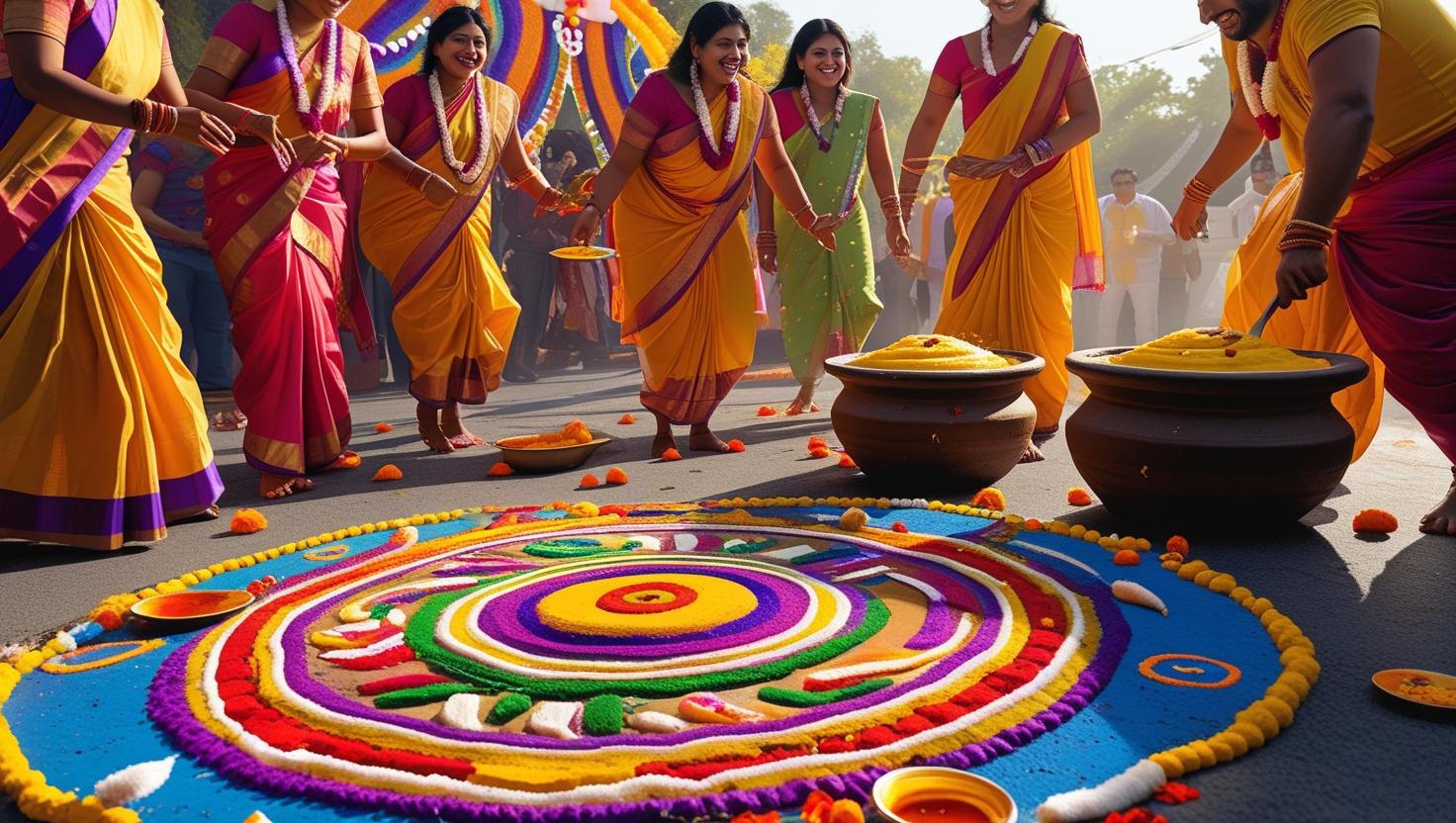
- 🌾 Thai Pongal: A Hindu harvest festival celebrated mainly in Tamil communities with cooking of Pongal rice, sun worship, and colorful kolam art.
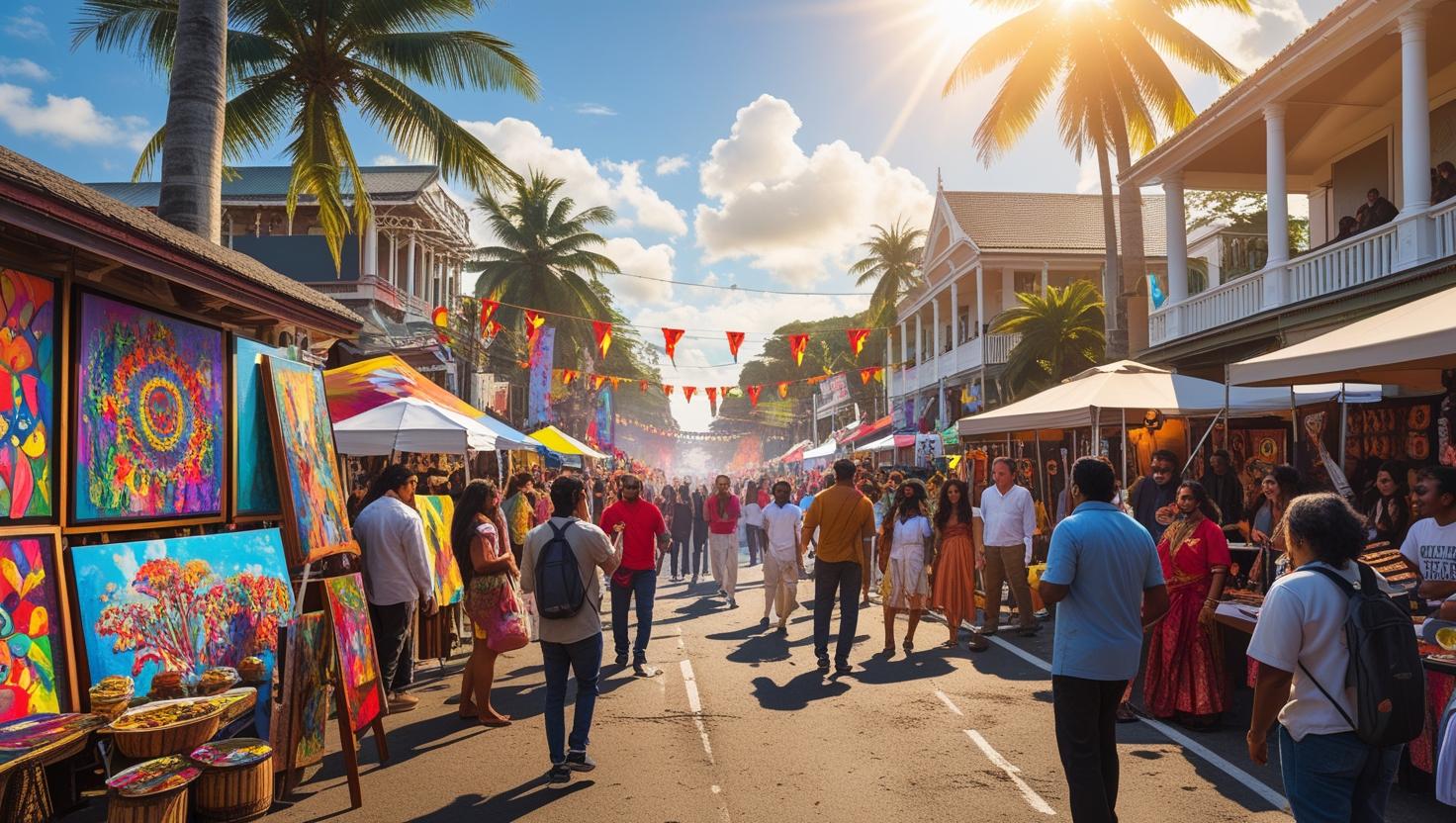
- 🎨 Colombo Art Street Festival: A contemporary celebration where the streets of Colombo come alive with visual art, live painting, and performances.
These festivals are more than just events—they’re windows into Sri Lanka’s multicultural spirit and its deep connection to nature, tradition, and community.
February in Sri Lanka is filled with love, literature, and spiritual depth. With dry weather still present in many regions, this is a beautiful time to explore the island while enjoying rich cultural festivities that touch on heritage, the arts, and historical pride.
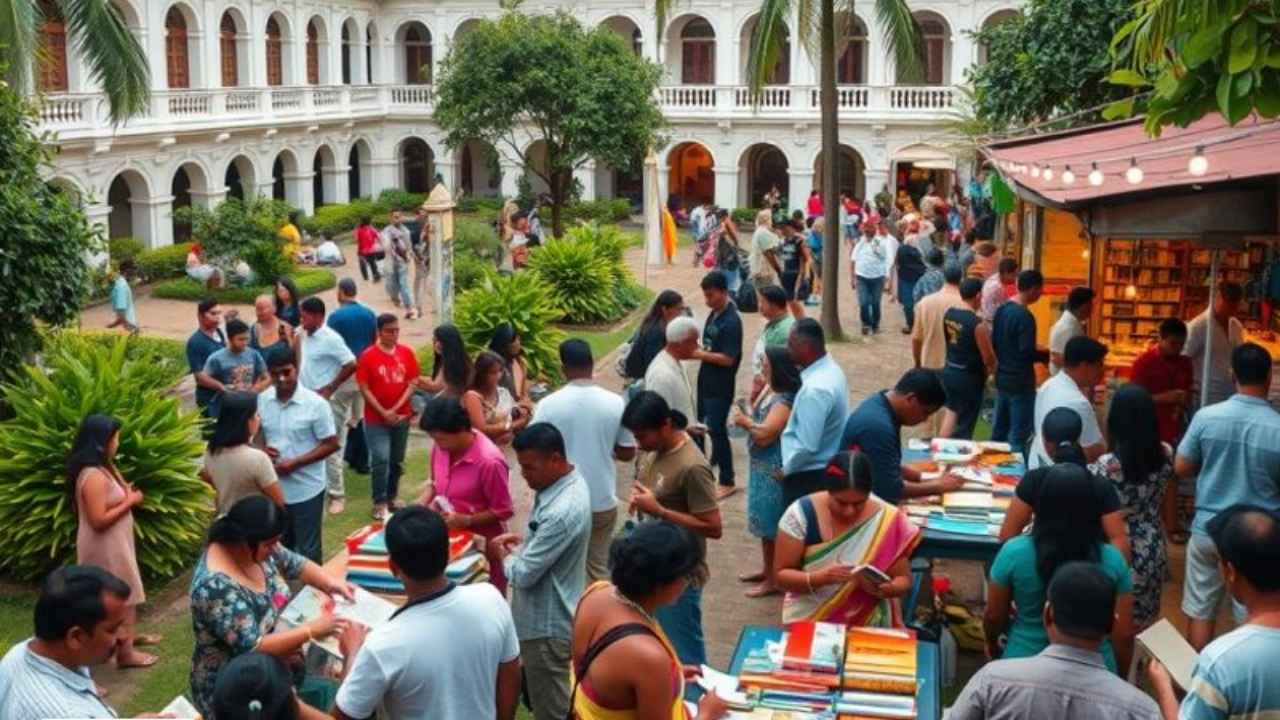
- 📚 Galle Literary Festival: A premier event in South Asia's literary scene, bringing together authors, artists, and readers from around the world in the coastal town of Galle.
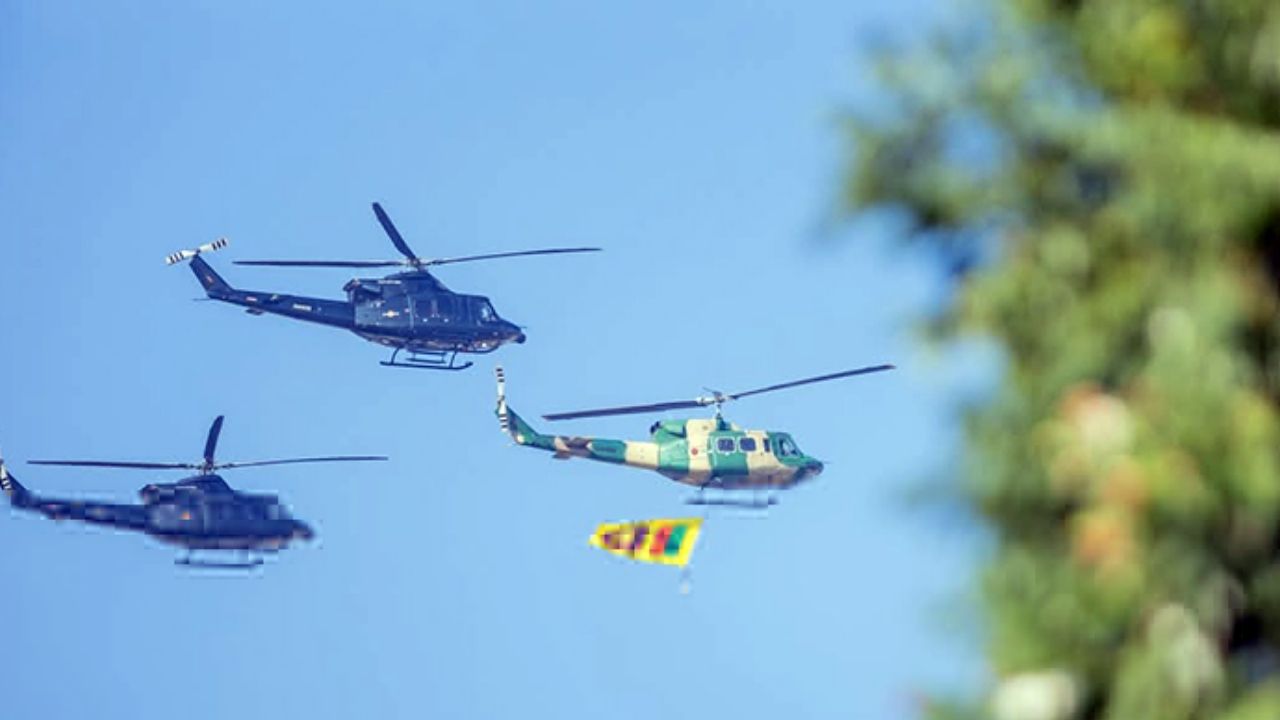
- 🇱🇰 Sri Lanka Independence Day (Feb 4): A patriotic national holiday marked by parades, flag-hoisting, and cultural performances, celebrating Sri Lanka’s independence from British rule in 1948.
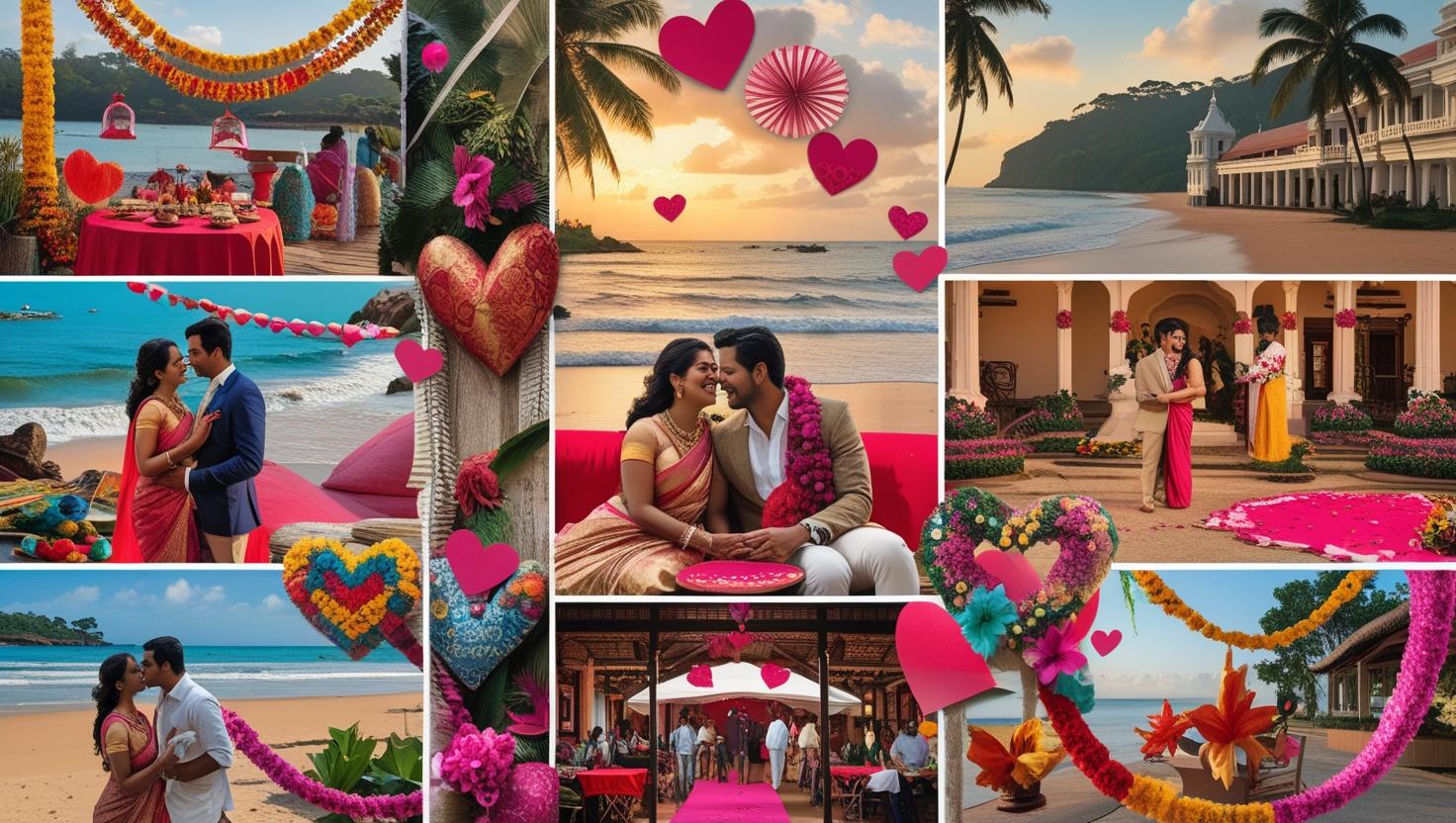
- 💗 Valentine’s Day: Though not traditional, this day has gained popularity in urban centers with romantic dinners, themed events, and florals decorating the city.
Whether you’re attending a world-class book reading by the ocean or witnessing proud national festivities, February offers a beautiful mix of intellectual, cultural, and emotional moments for travelers and locals alike.
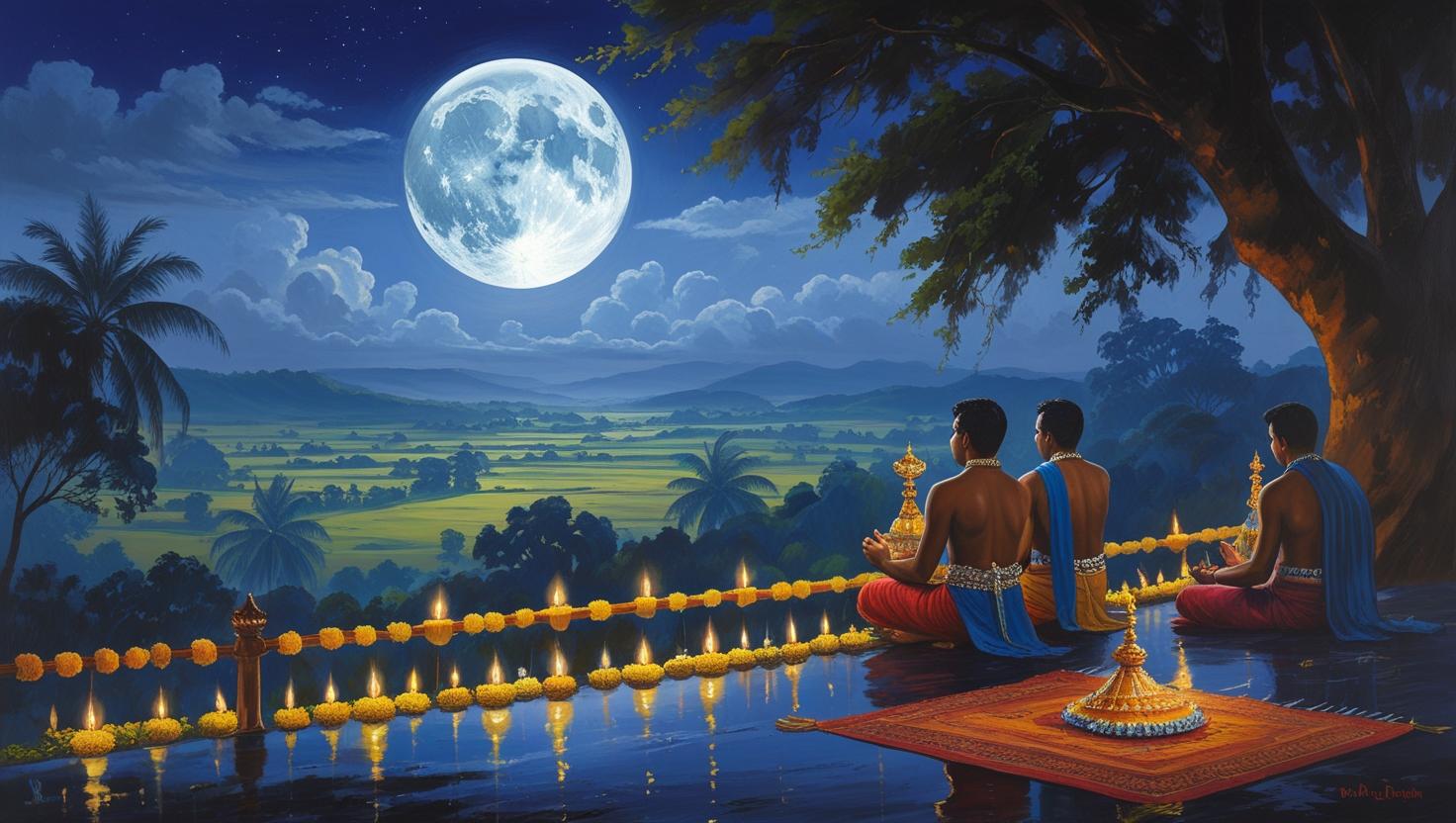
March marks a seasonal transition in Sri Lanka as the country prepares for Sinhala and Tamil New Year celebrations in April. It’s a time of spiritual preparation, temple festivals, and environmental awareness. With clear weather in most regions, travelers can enjoy both cultural and nature-based events this month.
- 🛕 Medin Full Moon Poya Day: Commemorates Buddha’s first visit to his hometown after enlightenment. Devotees observe sil (precepts), visit temples, and offer alms.
- 🌾 Agricultural Festivals: In rural areas, small-scale crop blessings and rituals are held in March before the New Year planting begins.
- 🌸 Temple Flower Festivals: Known as "mal peraheras", these smaller processions offer a colorful tribute to nature and divinity.
March is perfect for travelers seeking calm and connection—whether through temple ceremonies, countryside exploration, or community festivals grounded in spiritual and seasonal rhythms.
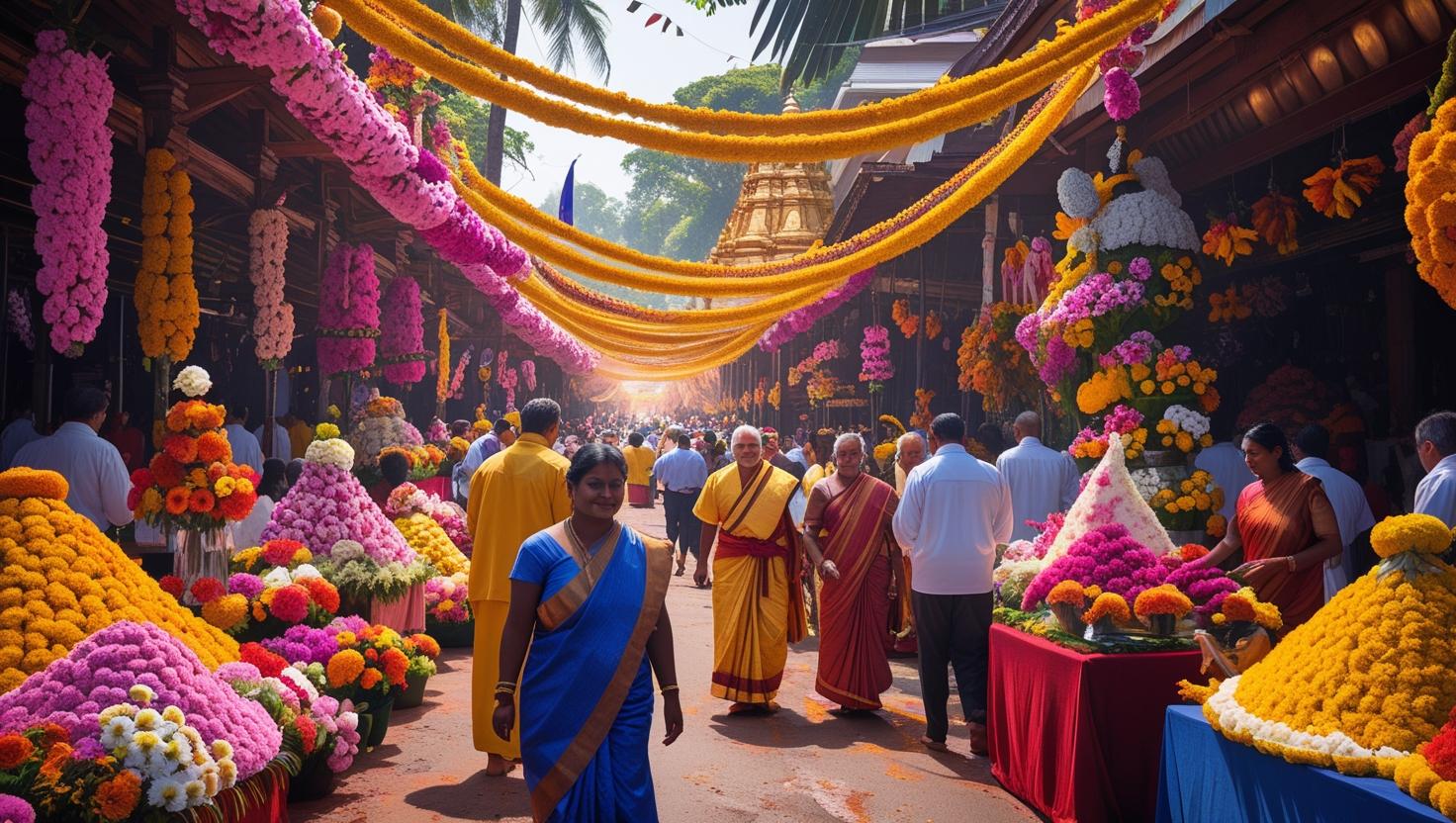
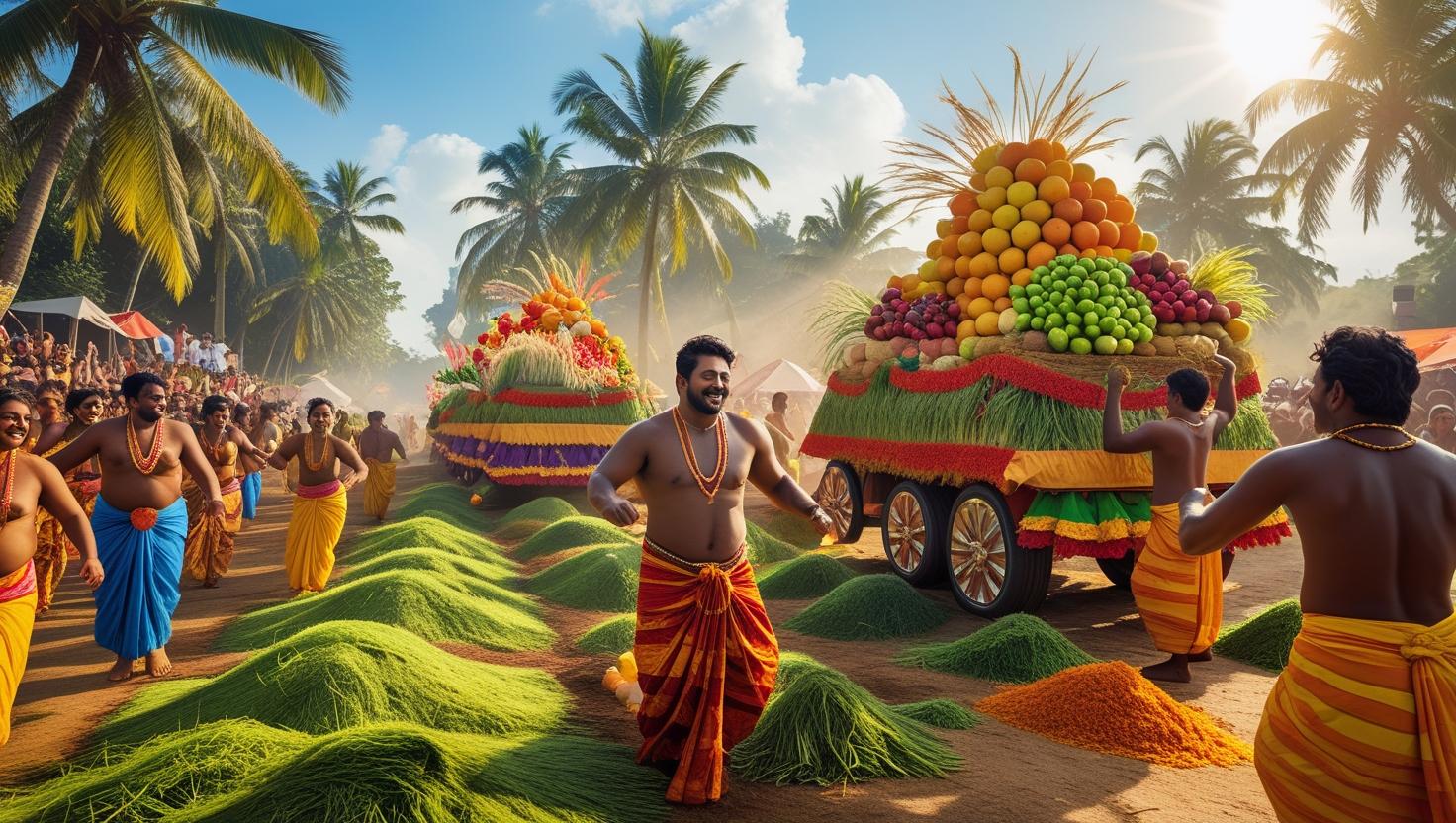
April marks the grandest and most widely celebrated cultural festival in Sri Lanka—the Sinhala and Tamil New Year, also known as Avurudu. It signifies the end of the harvest season and the start of the new astrological year. This event is deeply spiritual and communal, uniting the island’s two major ethnic groups—Sinhalese and Tamils—in celebration, peace, and tradition.
- 🌞 Astrological Transition: The New Year begins not at midnight, but based on a precise astrological moment. The in-between period called Nonagathe (neutral time) is considered sacred and ideal for spiritual reflection and temple visits.
- 🕯️ Rituals & Auspicious Activities: Events such as lighting the hearth, preparing the first meal, anointing with herbal oils, and exchanging gifts are done at astrologically determined times to bring good luck.
- 🏡 Home & Family Traditions: Homes are thoroughly cleaned and adorned with fresh flowers and traditional decorations. Wearing new clothes in auspicious colours and visiting relatives is central to the celebration.
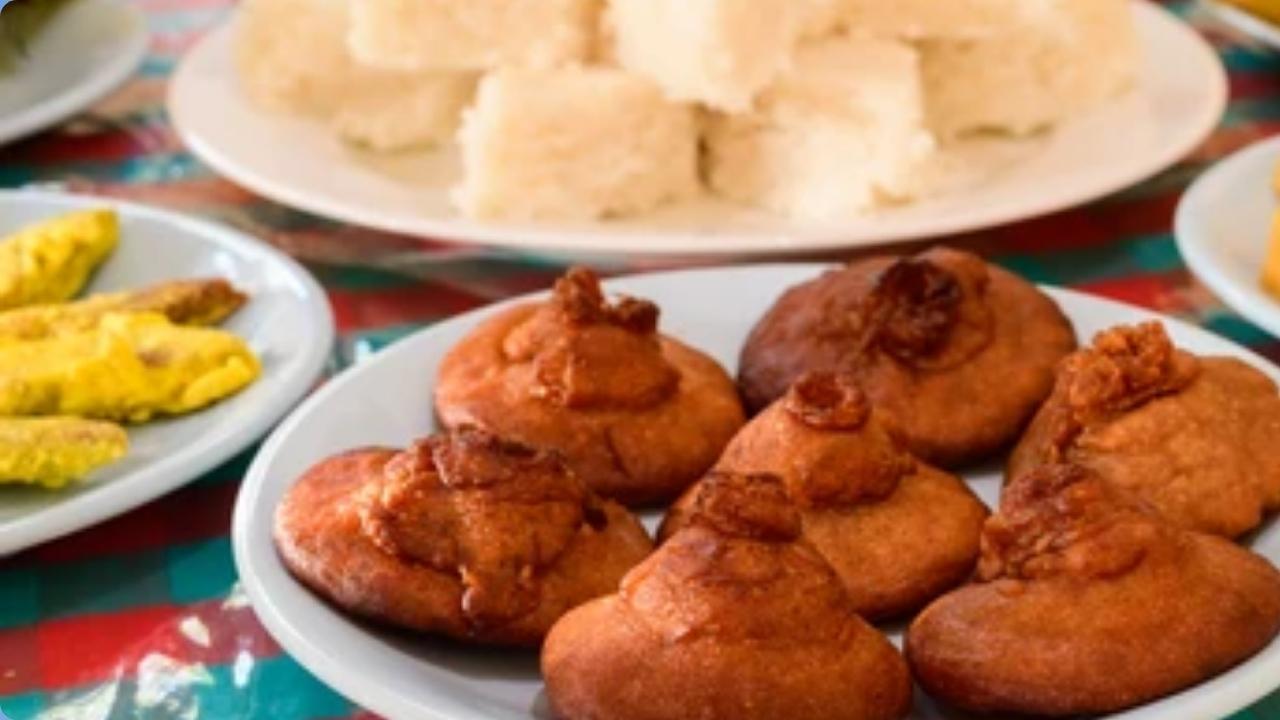
- 🍛 Signature New Year Cuisine: A table full of kiribath (milk rice), kavum (oil cakes), kokis, and mung kavum is lovingly prepared and shared with guests and neighbours.
- 🎯 Avurudu Kreeda (Traditional Games): Fun games like kana mutti (clay pot breaking), tug-of-war, musical chairs, and pillow fights are held in villages and towns, promoting joy and unity.
- 🙏 Religious Observances: Many attend dansals (almsgiving), temples, or kovils to make merit and begin the new year with blessings and clarity.
Experiencing the Sinhala & Tamil New Year in Sri Lanka is like stepping into the soul of the island’s culture. With its blend of astrology, spirituality, tradition, and hospitality, it’s a festival that goes beyond religion—uniting the entire nation in a spirit of renewal and joy.
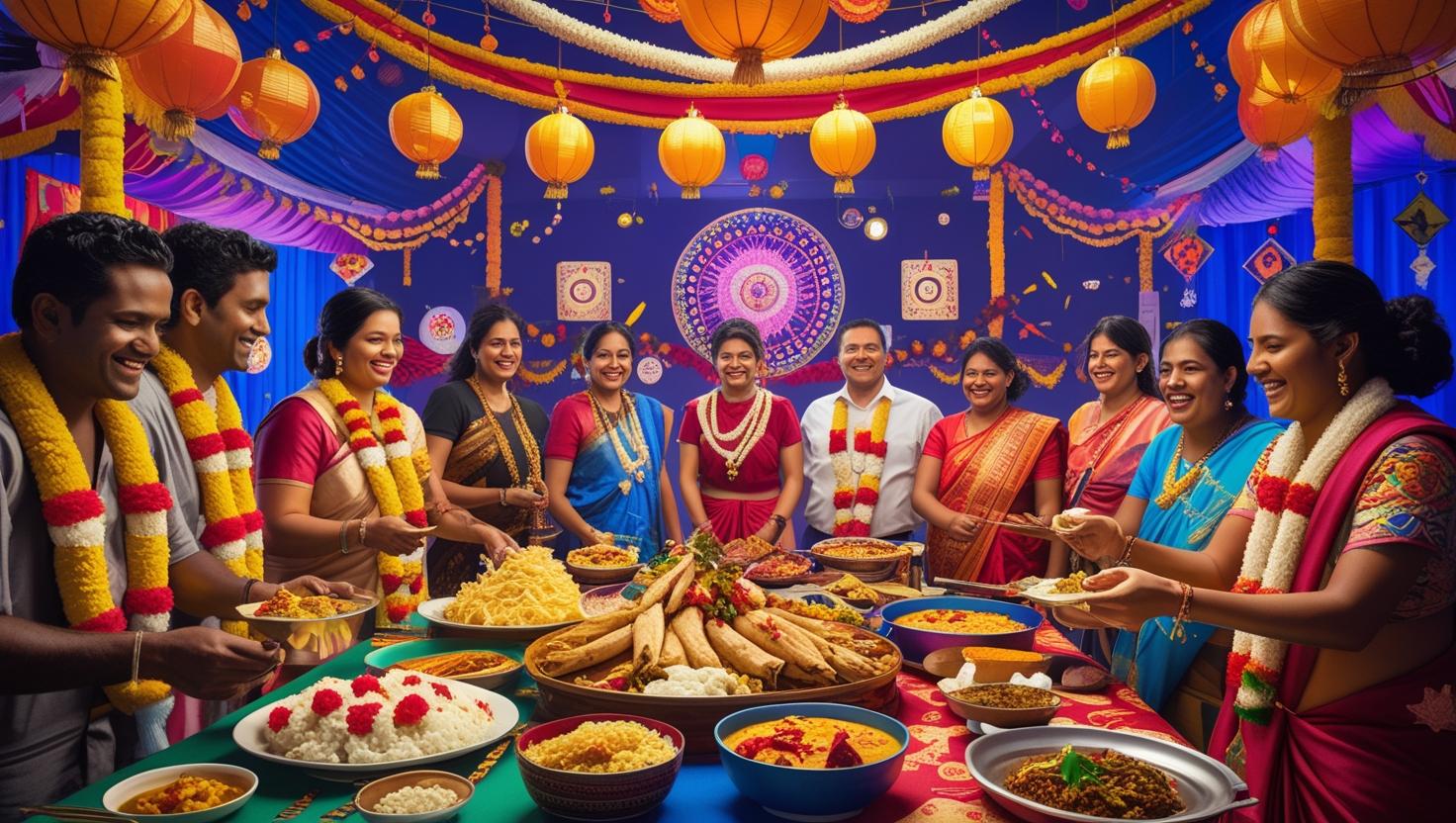
May in Sri Lanka is spiritually profound, as Buddhists across the island celebrate Vesak Poya — the most sacred full moon festival that marks the birth, enlightenment, and passing of Lord Buddha. Vesak is not just a religious occasion but a national celebration filled with compassion, gratitude, and light.
- 🌕 Full Moon Significance: Vesak occurs on the full moon day in May. It is a triple commemoration—marking Buddha's birth, enlightenment, and death, making it the most spiritually significant day in the Buddhist calendar.
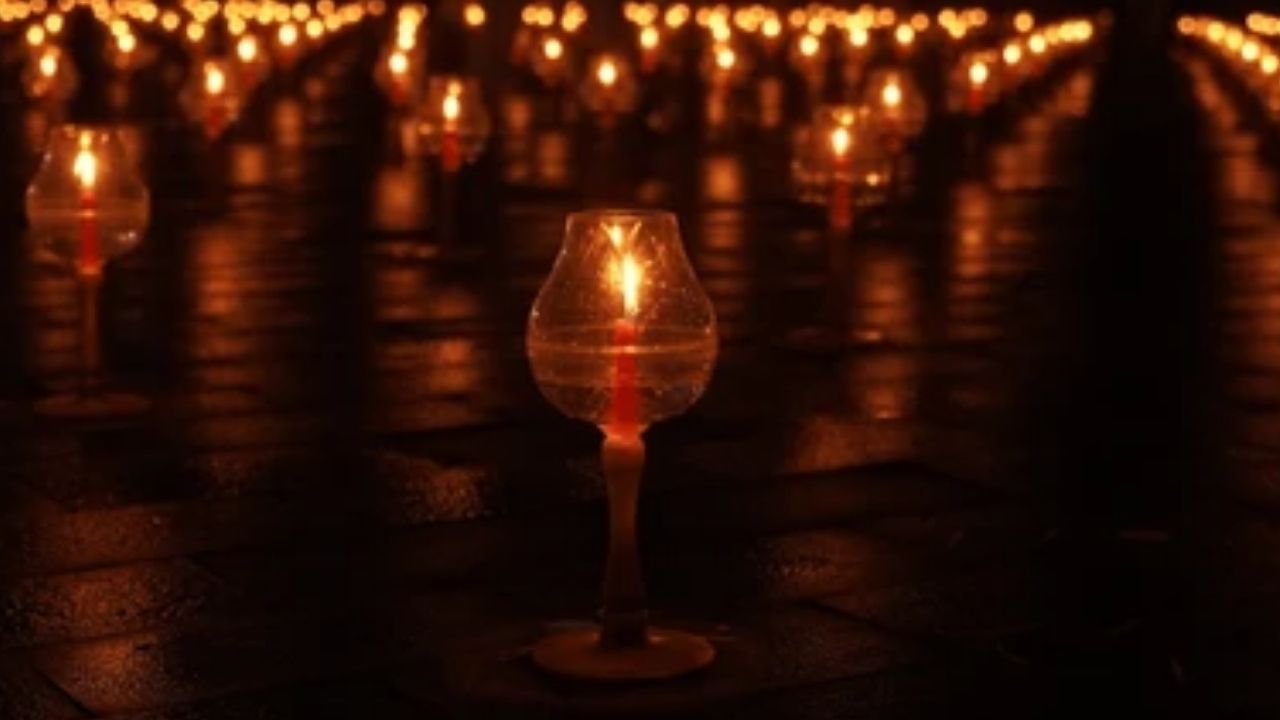
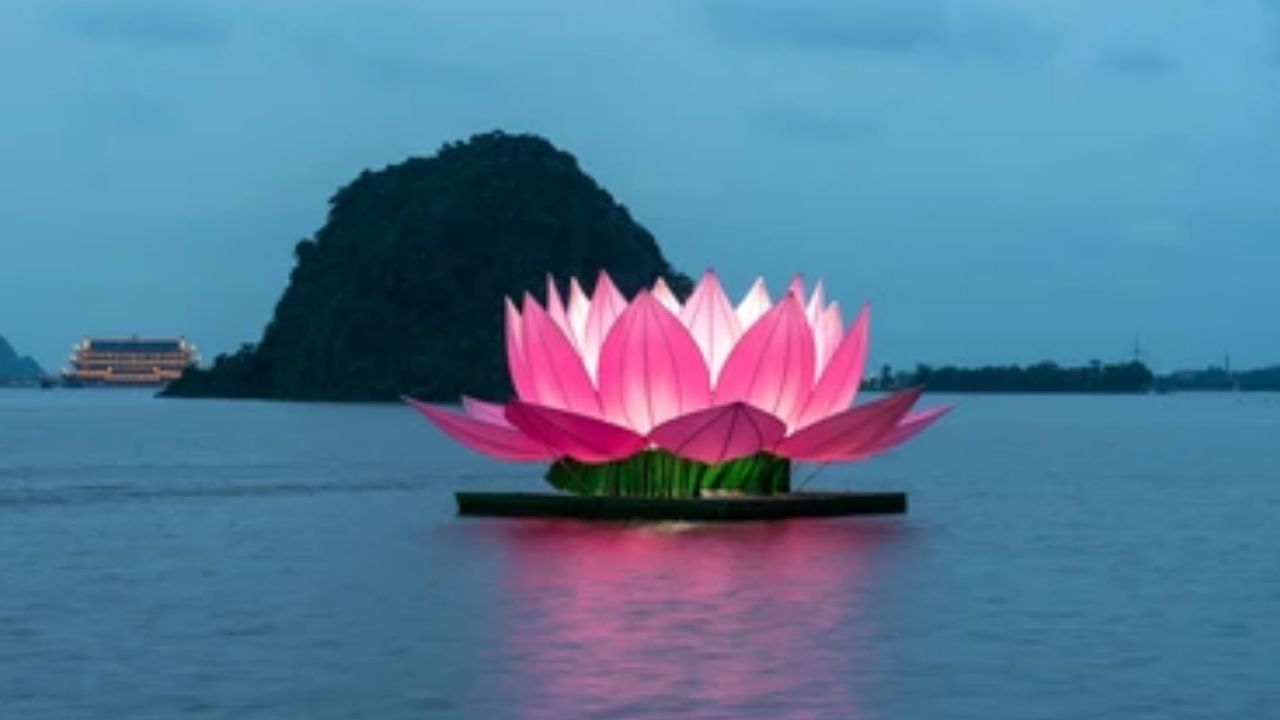
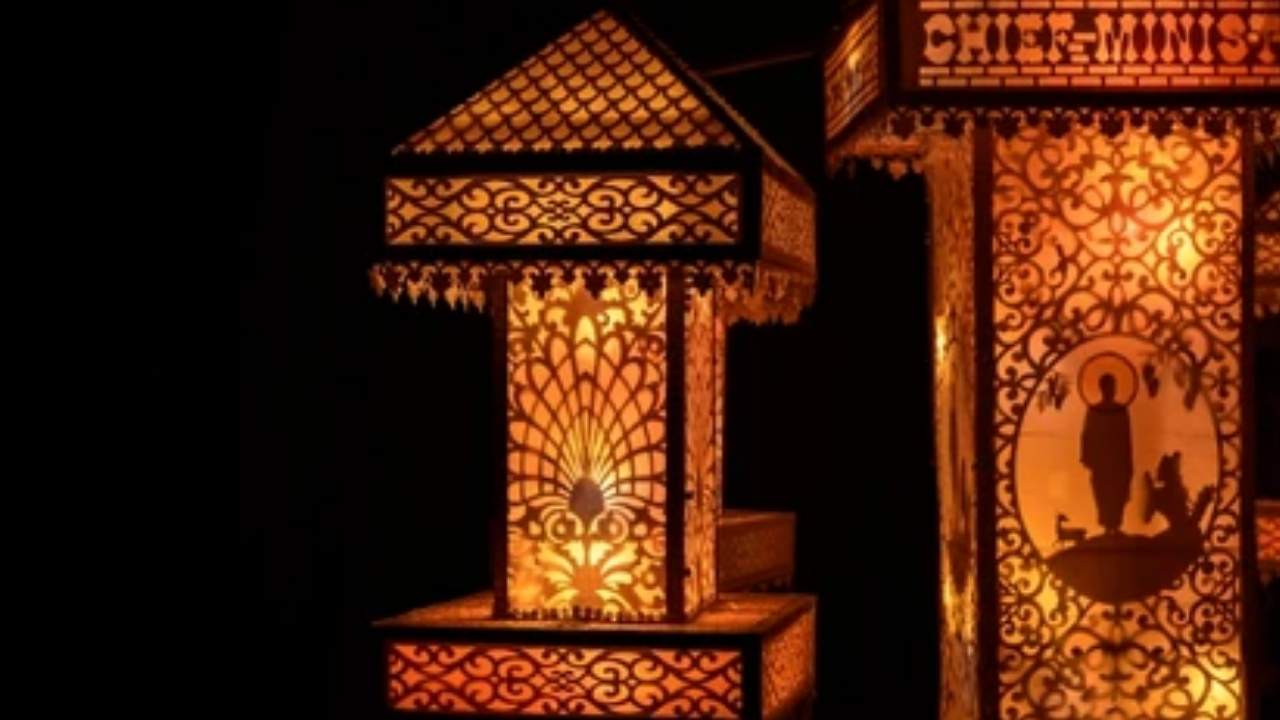
- 🏮 Vesak Lanterns & Pandols: Homes, temples, and public spaces are adorned with colorful Vesak kuudu (lanterns) and illuminated storyboards (pandols) depicting the Jataka tales. The streets glow with devotion and art.
- 🍛 Almsgiving & Compassion: Dansals (free food stalls) serve meals, drinks, and sweets to passersby as acts of merit. Vesak fosters compassion, charity, and kindness among people from all walks of life.
- 🕊️ Peaceful Observances: Buddhists spend time in temples meditating, observing sil (precepts), and reflecting on the teachings of the Buddha. The atmosphere is serene, introspective, and filled with spiritual stillness.
- 🌍 A National Celebration: Though rooted in Buddhist faith, Vesak is embraced by all communities in Sri Lanka. It is a time of national unity, peace, and illumination—both literal and metaphorical.
Visiting Sri Lanka during Vesak offers a rare opportunity to witness an island glowing with devotion. It’s more than a festival—it’s a spiritual journey into the heart of Sri Lanka’s soul, wrapped in lanterns, generosity, and the gentle silence of temple grounds.
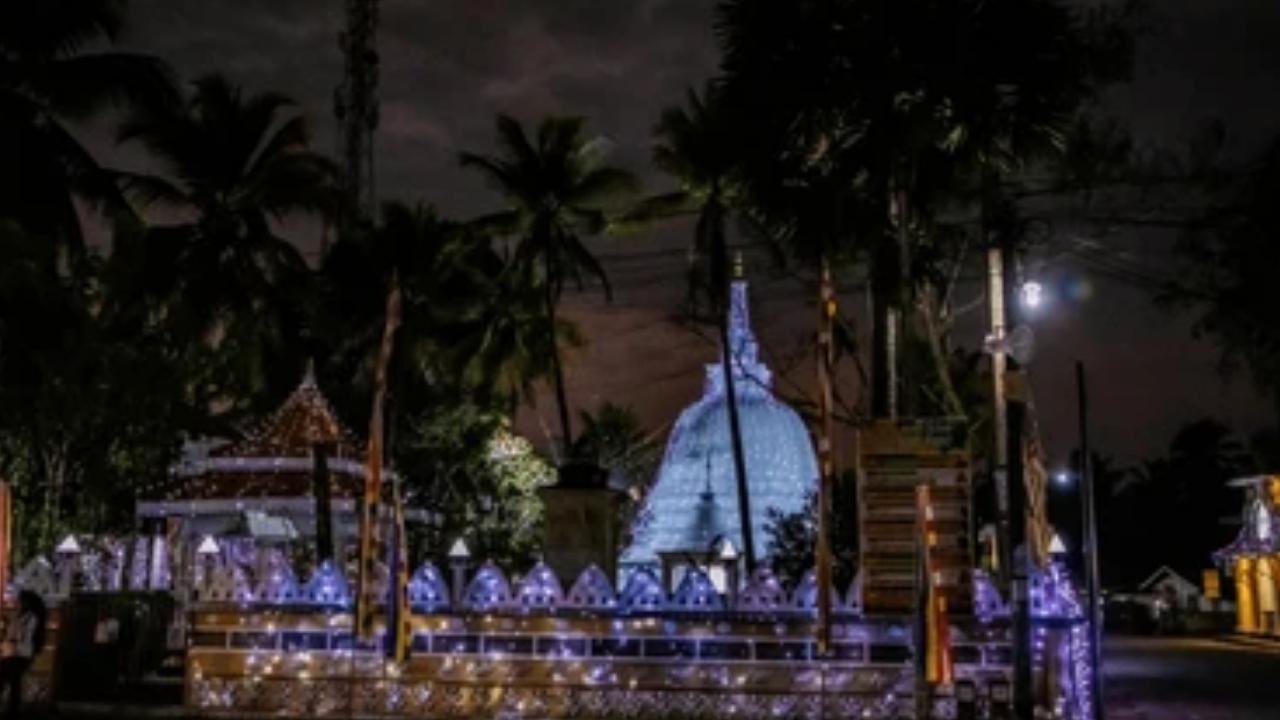
June marks one of the most revered full moon days in Sri Lanka — Poson Poya, commemorating the arrival of Buddhism to the island in the 3rd century BC by Arahat Mahinda. This spiritual event transformed the cultural and religious landscape of Sri Lanka and continues to inspire pilgrims to this day.
- ⛰️ Mihintale Pilgrimage: Devotees from across the country climb the ancient steps to Mihintale — the cradle of Buddhism in Sri Lanka — where Arahat Mahinda met King Devanampiyatissa.
- 🕊️ Spiritual Observances: The faithful engage in meditation, observe sil (precepts), and participate in religious rituals at sacred sites such as Anuradhapura and Mihintale.
- 🍛 Almsgiving (Dansal): Community kitchens offer free food and drinks to pilgrims and passersby, reflecting the spirit of generosity and compassion.
- 🎶 Cultural Events: The season is enriched with devotional songs (bhakthi gee), lantern displays, and educational programs focusing on Buddhist teachings.
- 🛕 Historical Significance: Poson is second only to Vesak in importance, celebrated with deep reverence in the ancient cities of the Cultural Triangle.
Experiencing Poson Poya in Sri Lanka allows visitors to witness centuries-old traditions in their purest form. Whether you’re climbing Mihintale’s sacred rock or listening to the peaceful chants at dawn, the journey is both spiritually enriching and culturally immersive.
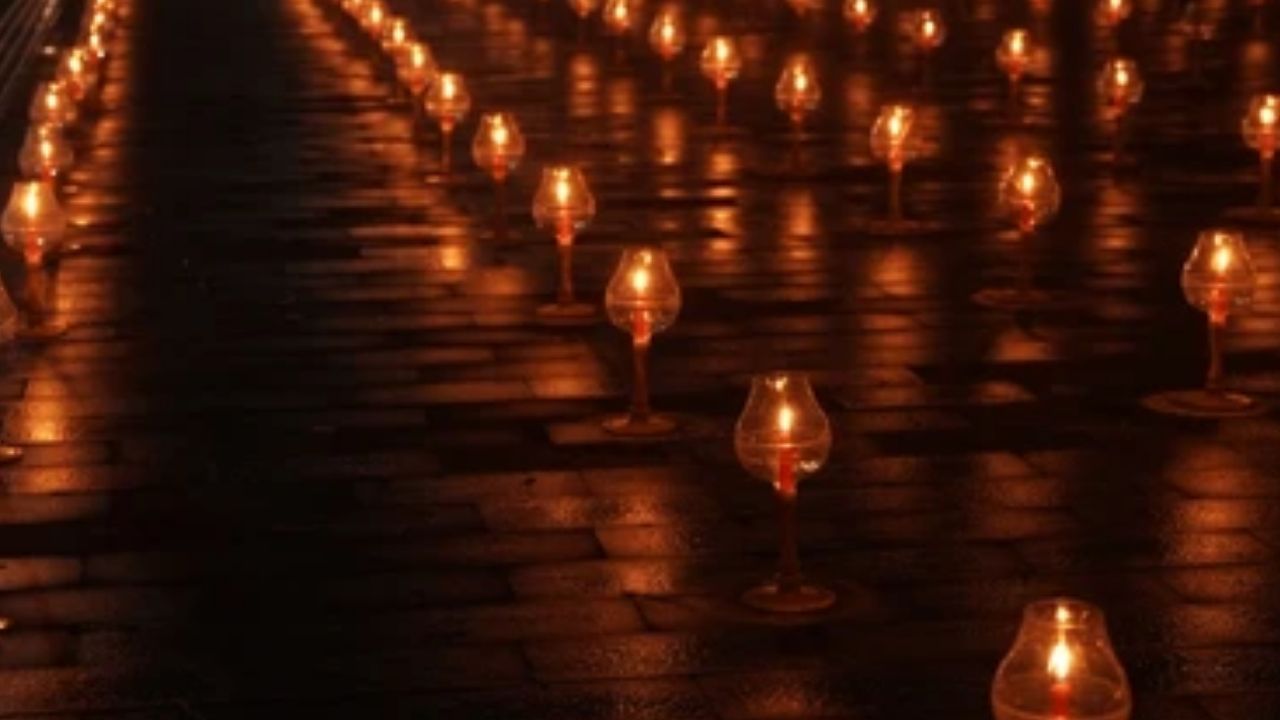
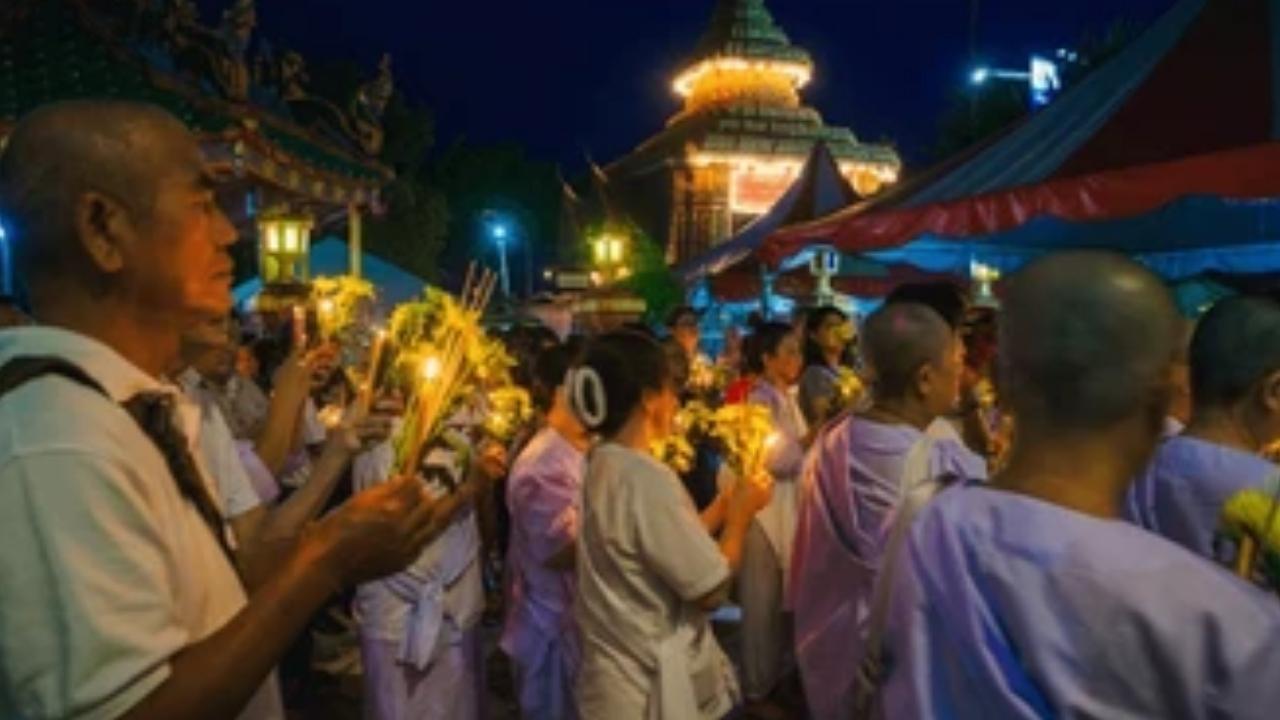
July – Esala Perahera Begins in Kandy
The Esala Perahera is one of Asia's most breathtaking and spiritually significant Buddhist festivals. Held annually in Kandy, Sri Lanka, it honors the Sacred Tooth Relic of Lord Buddha, housed in the Sri Dalada Maligawa (Temple of the Tooth). The festival begins in late July, marked by rituals such as the Kap Situweema—a symbolic tree-planting ceremony.
The processions increase in size each night. Traditional dancers, whip crackers, fire twirlers, and decorated elephants parade with rhythmic drums and chants. A key moment is when the Maligawa Tusker carries the sacred relic casket replica through the city.
August – Grand Finale of the Esala Perahera
In early to mid-August, the event reaches its climax with the Randoli Perahera—featuring royal palanquins, cultural dancers from around Sri Lanka, and dozens of adorned elephants. The Final Night Procession transforms Kandy’s streets into a glowing spiritual celebration.
The next day, the Water-Cutting Ceremony (Diya Kepeema) at the Mahaweli River symbolizes spiritual cleansing. Pilgrims and tourists fill the city—early bookings are essential for the best viewing spots.
- 🗓️ Duration: Late July to mid-August
- 📍 Location: Kandy, Central Province, Sri Lanka
- 🚗 Tip: Arrive early to explore the Temple of the Tooth and Kandy Lake surroundings.
- 📸 Insight: Drones are restricted. Use zoom cameras for the best visuals.
- 🎟️ Booking: Book hotels with balconies early for the best parade view.
September –Art,Culture & Kataragama Festival
September in Sri Lanka brings a beautiful fusion of cultural devotion and artistic celebration. The month is marked by the revered Kataragama Festival—a unique spiritual event attended by Buddhists, Hindus, and indigenous Vedda people. Devotees undertake barefoot pilgrimages and engage in acts of penance, including fire walking and body piercing, to show their faith and gratitude to the deity Kataragama Deviyo.
Alongside this ancient spiritual display, urban centres like Colombo and Galle light up with cultural exhibitions, art fairs, and performance events. Local artists, dancers, and musicians gather to celebrate Sri Lanka’s creative soul through modern expressions rooted in centuries-old traditions.
- 📍 Key Location: Kataragama, Southern Province
- 🕯️ Festival Type: Multi-religious pilgrimage & sacred rituals
- 🎭 Bonus Events: Street art, drama, and poetry festivals in cities
- 🚶♂️ Travel Tip: Wear respectful attire when visiting Kataragama and be mindful of local customs
October – Deepavali & Harvest Ceremonies
October is a month of light and gratitude in Sri Lanka, celebrated through both the Hindu Deepavali festival and regional harvest ceremonies. Deepavali, or Diwali, marks the triumph of good over evil and light over darkness. Tamil households across the island are adorned with glowing oil lamps, intricate kolam (rangoli), and sweet aromas of traditional festive foods.
Families rise early to bathe in herbal oils, wear new clothes, and visit temples such as the Koneswaram Temple in Trincomalee and Nallur Kandaswamy Kovil in Jaffna. Rituals are performed to honor Goddess Lakshmi for wealth and prosperity, while homes are cleaned and spiritually purified. The festival also promotes unity among communities, as neighbors share meals and sweets regardless of religious background.
At the same time, October signals the beginning of seasonal harvest celebrations in rural villages. Farmers offer the first fruits of their labor to the gods, praying for rain and fertility in the upcoming season. These earthy, humble ceremonies are deeply spiritual and highlight Sri Lanka’s connection to nature, agriculture, and traditional sustainability.
- 🪔 Deepavali Highlights: Oil lamps, kolam art, firecrackers, and sacred offerings at Hindu kovils.
- 🌾 Harvest Ceremonies: Simple village offerings of rice, fruit, and flowers to local deities for a blessed season.
- 🕌 Temple Visits: Popular kovils in Trincomalee, Jaffna, and Batticaloa host large prayer gatherings and cultural events.
- 🎉 Community Spirit: Neighbors of all faiths come together to exchange sweets and celebrate cultural harmony.
- 📸 Travel Tip: Bring a respectful outfit for temple visits and visit early in the morning to capture colorful traditions.
November – Ramadan and Cultural Diversity
November is a significant time in Sri Lanka, especially for the Muslim community, as they celebrate Ramadan. It’s a month of fasting, prayer, reflection, and community. This period also highlights the rich cultural diversity in Sri Lanka, where people from various ethnic and religious backgrounds come together to celebrate harmony and unity.
Key Events and Traditions:
- 🌙 Ramadan Celebrations: Muslims across Sri Lanka observe fasting, engage in prayers, and reflect on their spiritual journey.
- 🍽️ Iftar Gatherings: Communities come together for the evening meal to break their fast.
- 🎉 Cultural Food Festivals: Ramadan coincides with vibrant food festivals where street markets come alive with Sri Lankan multiculturalism.
- 🕉️ Interfaith Dialogues: Promoting unity and mutual respect across cultures through discussions and events.
- 🕌 Eid al-Fitr Celebrations: A joyous festival to celebrate the end of Ramadan with prayers, feasts, and charity.
Celebrating Sri Lanka's Cultural Diversity:
Sri Lanka's diversity is one of its greatest strengths. The island is home to various ethnic and religious groups, each contributing to its rich tapestry of cultural traditions. During Ramadan, Sri Lankans of all faiths come together to participate in the spirit of giving and solidarity.
Highlights of November:
- 🌙 Ramadan Prayer and Reflection
- 🍲 Sri Lankan Cuisine: Special dishes like Samosas, Kottu, and Chili Crab.
- 🤝 Community Solidarity and Charity
- 🕌 Ramadan Night Markets in Sri Lanka
December – Christmas & Year-End Festivities
December in Sri Lanka is a time of joy and celebration as the nation gets ready for Christmas and the year-end festivities. A unique blend of religious and cultural celebrations, the season brings together families, communities, and travelers for moments of happiness, reflection, and giving.
Key Events and Traditions:
- 🎅 Christmas Celebrations: The Christian community celebrates Christmas with church services, family dinners, and gifts.
- 🎉 New Year’s Eve Parties: In urban areas like Colombo, New Year’s Eve brings lively events, fireworks, and music.
- 🍰 Christmas Markets: Festive markets selling Christmas treats, decorations, and gifts pop up in major cities.
- 🕊️ Charity Events: The spirit of giving is strong, with charity events and donations for the less fortunate during the festive season.
Celebrating Sri Lanka’s Cultural Diversity:
Sri Lanka’s multi-ethnic society comes alive during December, with various communities celebrating their unique traditions while embracing the festive atmosphere. Christmas, celebrated by the Christian community, brings a lot of joy and community spirit, while the rest of the island enjoys New Year’s celebrations, food festivals, and entertainment that reflect the diversity of the island.
Highlights of December:
- 🎄 Christmas Mass and Services: Attending Christmas services in churches across the island.
- 🍽️ Festive Foods: Christmas cakes, biryanis, and a variety of delicious Sri Lankan treats served during family gatherings.
- 🎆 Fireworks Display: The New Year’s Eve fireworks in Colombo and other major cities light up the night sky.
- 🎁 Gift Giving & Community Feasts: Family reunions, gifts, and feasts symbolize the season of giving.

🌴 Festivals & Cultural Events Impact on Tourism (Sri Lanka)
Tourist Attraction Performance based on Sri Lanka's Festivals & Cultural Calendar