
Sigiriya
-
Archaeology
-
UNESCO World Heritage Site
About this Attraction
As someone born and raised in Sri Lanka and passionate about exploring its timeless beauty, I believe visiting Sigiriya is an experience like no other. Sigiriya, a UNESCO World Heritage Site, stands tall as the Lion Rock—a testament to Sri Lanka's rich history and architectural brilliance. Recognized globally for its cultural and historical significance, it's a destination that beckons travellers worldwide, and my journey to this iconic site was truly extraordinary.
The Early Morning Experience
Arriving at the Sigiriya ticket counter early in the morning is an adventure. The counter opens as early as 5:00 AM, allowing visitors to begin their exploration in the cool, crisp air of dawn. The golden rays of the sunrise bathe the area in a warm glow, setting the tone for an unforgettable day. If you're an early bird, you'll notice the serene calm that envelops the site before the crowds trickle in. This is the perfect time to soak in the tranquil atmosphere and snap photos without interruptions.
The ticket counter is organised and efficient but gets busier as the day progresses. You can also purchase your tickets online, which I highly recommend if you want to skip the queues and save time. Remember that ticket prices vary depending on your nationality—details we'll cover later in this guide.
Planning Your Visit
Sigiriya is a blend of history, culture, and breathtaking landscapes. From its ancient water gardens to the iconic frescoes and the panoramic views from the summit, each step you take unveils a new story. As someone who loves travelling and writing, this visit allowed me to connect deeply with my heritage while rediscovering the marvels of ancient engineering.
In the following sections, we'll explore Sigiriya step by step, from navigating the Lion Gate to reaching the summit, and we'll even give tips on what to bring, where to rest, and how to make the most of your visit.
Stay tuned for the next part of this guide—let's climb Sigiriya together!
The Entry Experience at Sigiriya
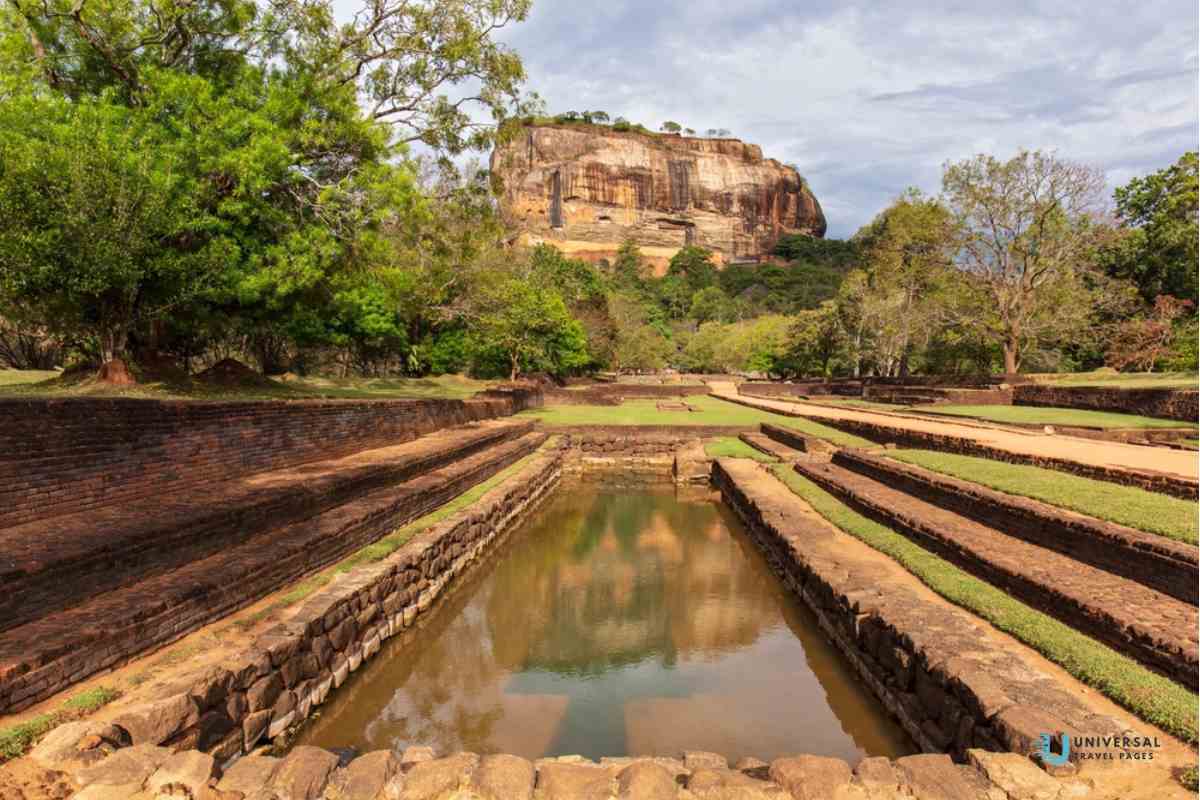
With the ticket in hand, I made my way past the entrance, where the grandeur of Sigiriya truly began to reveal itself. The first thing that caught my eye was the vast moat encircling the fortress, a remarkable engineering feat from ancient times. Crossing the wooden bridge over the moat felt like stepping into another era, where every element had a purpose—both for beauty and defence.
As I entered the main grounds, I was greeted by the lush greenery of the water gardens. These meticulously designed gardens, with their sparkling ponds, fountains, and symmetrically laid-out pathways, exude a sense of tranquillity. Early in the morning, the stillness of the water mirrors the towering Lion Rock in the distance, creating a surreal and almost meditative atmosphere.
The towering rock loomed ahead, its reddish-brown surface contrasting sharply with the surrounding greenery. The winding pathways, dotted with ancient ruins and stone foundations, hinted at the grandeur of the royal city that once thrived here.
After entering, this was my first view of Sigiriya. The sheer scale of the fortress and the attention to detail in its surroundings left me in awe, sparking my excitement for the hike to the summit.
Walking Through History: The Path to the Lion's Paws
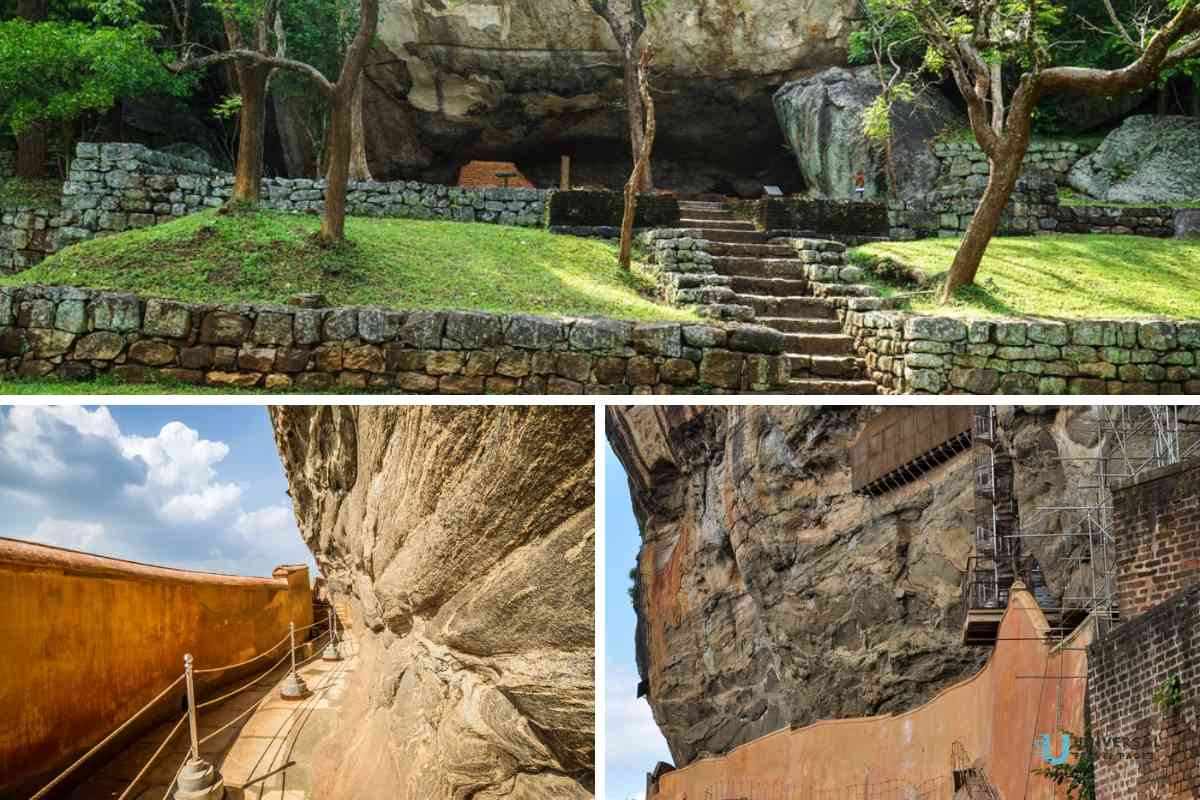
As I ventured further along the path, the marvels of Sigiriya began to unfold layer by layer. The walkway from the water gardens led me through the boulder gardens, filled with massive stone formations that seemed to tell their own stories. These boulders, some naturally weathered and others subtly carved, created a sense of wonder as if they had been placed intentionally to evoke awe and curiosity.
Winding stone steps took me deeper into the site, where I encountered remnants of ancient pavilions and meditation platforms. The shaded areas beneath the towering rocks provided a cool respite from the morning sun, and I couldn't help but imagine monks and royal figures walking these same paths centuries ago.
One of the most striking sights along the way was the Mirror Wall, a section of polished plaster that still reflects faint images. In its prime, it was said to gleam like glass, and ancient inscriptions etched onto its surface offer glimpses into the thoughts and emotions of those who visited Sigiriya in antiquity. These writings, dating back a thousand years, felt like whispers from the past, bridging the gap between modern visitors and ancient travellers.
As I continued the ascent, the Lion Rock loomed ever more significant, dominating the horizon. The anticipation grew with every step, and soon, I found myself approaching the iconic Lion's Paws, where the real adventure of reaching the summit would begin.
The Ascent: From Lion’s Paws to the Summit of Sigiriya
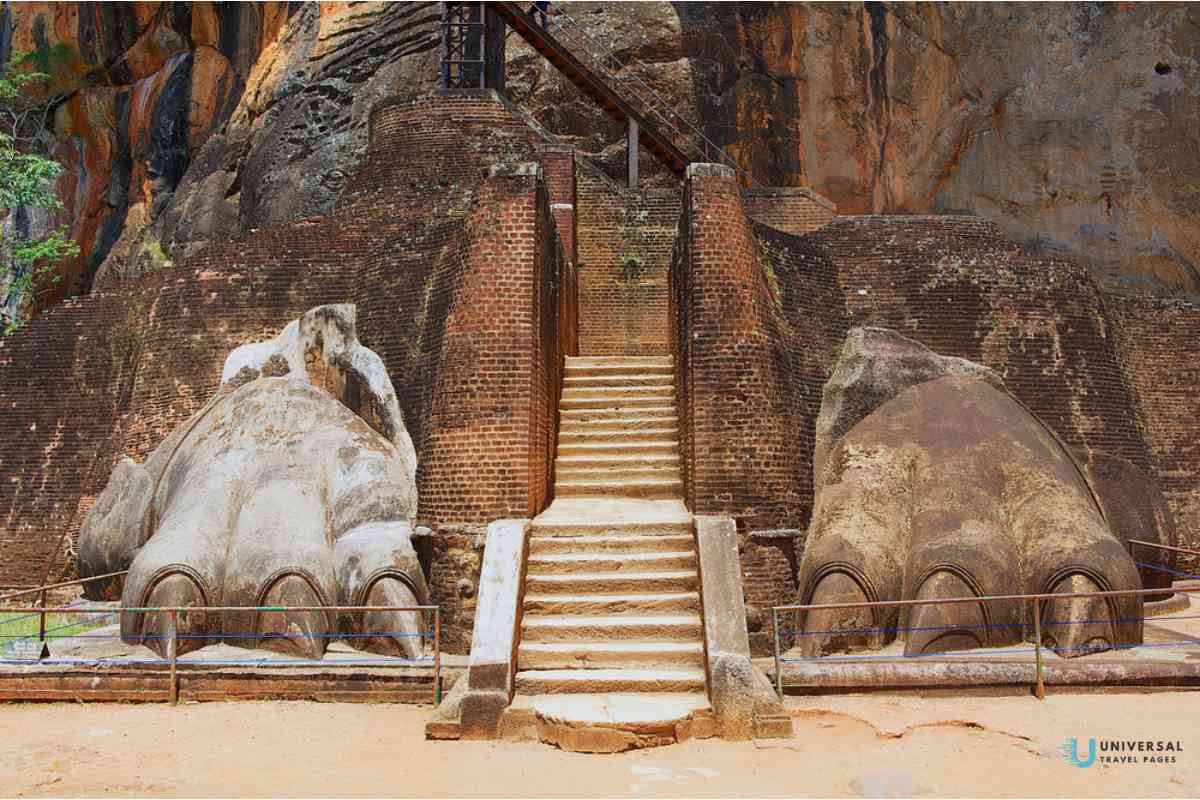
Standing at the Lion’s Paws, I couldn’t help but pause to take in the majesty of this architectural marvel. These massive stone-carved paws, remnants of what was once a grand lion-shaped gateway, mark the entrance to the final climb. The sense of scale here is genuinely humbling, and it’s easy to imagine the grandeur of the entire lion sculpture that once stood guard, welcoming visitors to the ancient fortress.
With the summit beckoning, I began the steep ascent up the iron staircase attached to the sheer rock face. The climb is exhilarating, with every step bringing you closer to the top and offering increasingly spectacular views of the surrounding landscape. The wind grows stronger as you ascend, carrying a refreshing coolness and the occasional birdcall, adding to the sense of adventure.
The stairs wind their way upwards, hugging the rock’s surface, and at specific points, you can catch glimpses of the vertiginous drop below. It’s thrilling and slightly nerve-wracking, but the sturdy handrails and steps provide a reassuring sense of safety.
Finally, after a climb that felt both challenging and rewarding, I reached the summit of Sigiriya. The panoramic view from the top is nothing short of breathtaking. Rolling plains stretch out in all directions, with lush greenery blending into distant horizons. On clear days, you can even spot mountain ranges far in the distance, adding to the surreal beauty of the scene.
At the summit, the remnants of King Kashyapa’s palace come into view. Foundations of royal chambers, audience halls, and the iconic throne carved into the rock are all that remain of what was once a grand citadel. The ingenuity of the ancient builders is evident everywhere, from the well-planned drainage systems to the sophisticated layout of the structures.
As I wandered through the ruins, I couldn’t help but feel a sense of wonder at the history and stories this place holds. The climb to the summit of Sigiriya is more than just a hike—it’s a journey through time, a chance to connect with the ingenuity and ambition of Sri Lanka’s ancient civilization. Standing there, surrounded by the echoes of history, I felt a profound sense of awe and pride in my heritage.
The Story of King Kashyapa and the Marvels of Sigiriya
At the summit of Sigiriya, I was fortunate to meet Duminda, a seasoned site guide with years of experience unravelling the mysteries of this ancient fortress. With his deep knowledge and captivating storytelling, Duminda brought to life the history and grandeur of Sigiriya, weaving a vivid narrative about King Kashyapa and the remarkable engineering feats of this UNESCO World Heritage Site.
The Tale of King Kashyapa
According to Duminda, Sigiriya's story begins in the 5th century AD with King Kashyapa, a ruler whose ambition and vision transformed this colossal rock into a magnificent palace and fortress. In a bloody coup, Kashyapa seized the throne from his father, King Dhatusena, and sought refuge in Sigiriya, fearing retaliation from his half-brother Moggallana, the rightful heir.
To protect himself and showcase his authority, Kashyapa chose Sigiriya for its natural defences and commanding views. He envisioned a fortress and paradise in the sky, blending security with unparalleled luxury and beauty. Though his reign ended in tragedy—defeated in battle by Moggallana—Kashyapa's legacy lives on in the awe-inspiring ruins of Sigiriya.
The Ancient Drawings
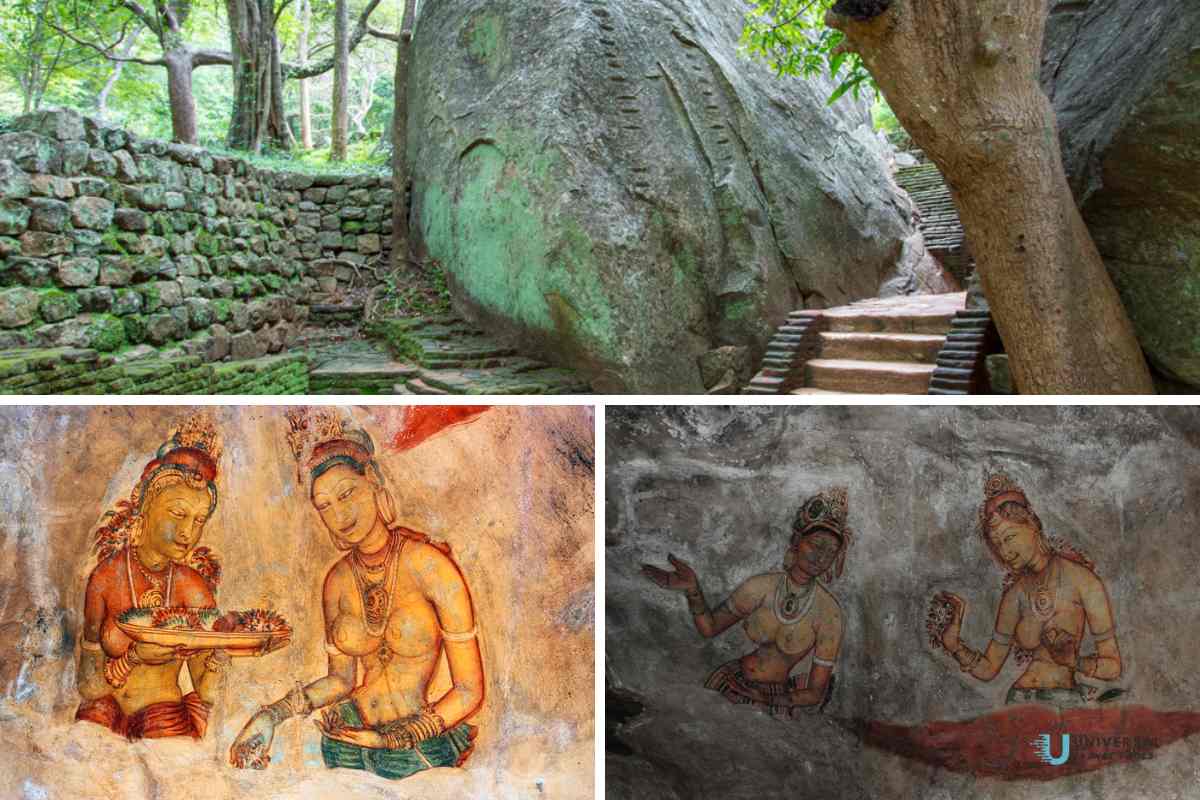
Duminda pointed out that one of Sigiriya's most iconic features is the frescoes halfway up the rock. These vibrant paintings depict celestial maidens adorned with intricate jewellery holding flowers and other offerings. The frescoes, painted using natural pigments, have miraculously survived for over 1,500 years, retaining vivid colours and exquisite detail.
"These drawings," Duminda explained, "are not just decorative; they symbolise Sigiriya as a place of spiritual and artistic significance." Though only a portion of the frescoes remain today, they mesmerise visitors with their beauty and mystery.
Pools, Buildings, and Ingenious Engineering
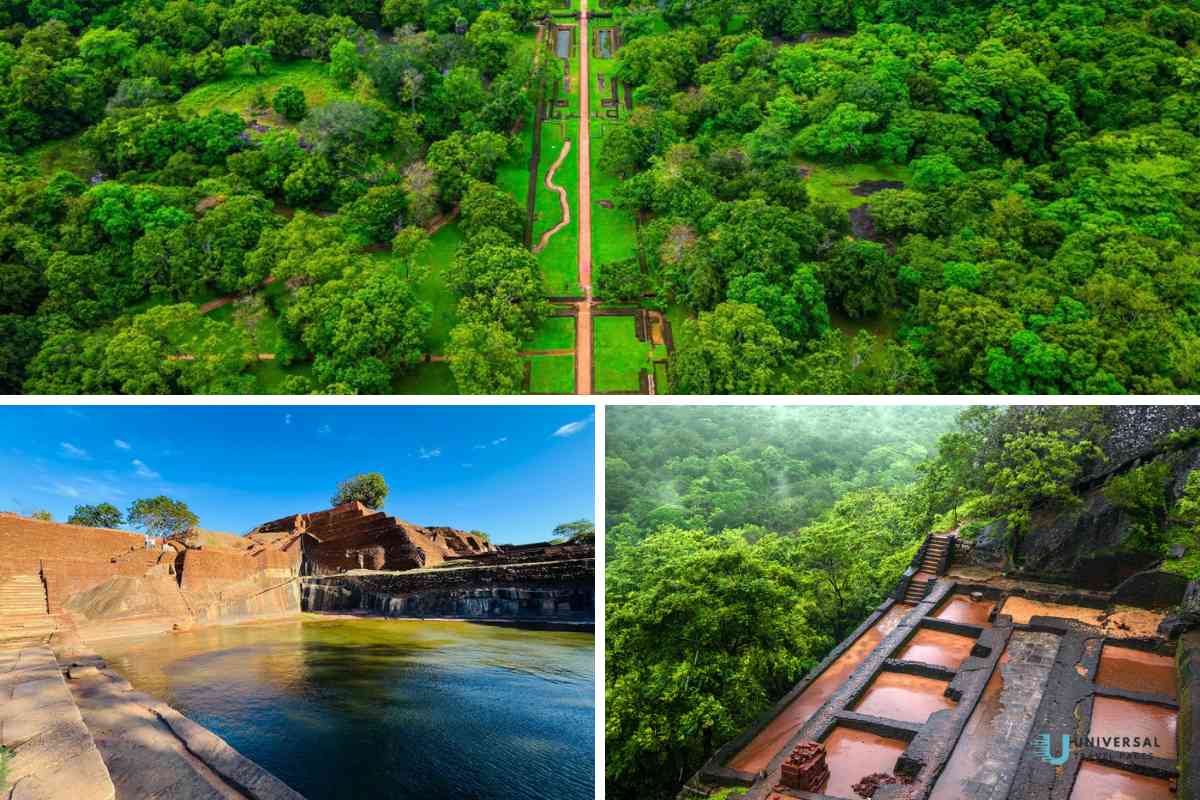
As we explored the summit, Duminda highlighted the sophisticated water management system that once sustained the royal palace. The summit's pools, carved directly into the rock, were part of an intricate hydraulic system that transported water from the base to the top—a remarkable achievement considering the technology of the time.
He also described the remains of the royal palace, which once featured opulent chambers, audience halls, and leisure spaces. "Imagine this as a thriving city in the sky," Duminda said. "Every corner was meticulously planned, from the drainage systems to the positioning of buildings to maximise airflow and cooling."
A Legacy of Incredible Workmanship
Duminda's insights made it clear that Sigiriya was not just a fortress but a masterpiece of ancient engineering, art, and architecture. The water gardens below, the mirror wall, the frescoes, and the summit structures collectively reflect the ingenuity and creativity of Sri Lanka's ancient civilisation.
As we stood on the summit, surrounded by the remnants of Kashyapa's dream, I couldn't help but feel a profound admiration for the people who built this incredible site centuries ago. Duminda's stories added a rich layer of meaning to the visit, making it a journey through space and time.
Sigiriya is more than just a rock—it symbolises ambition, artistry, and the enduring legacy of a bygone era.
The Final Descent: Souvenirs, Refreshments, and Relaxation
After taking in the breathtaking views and unravelling the stories of Sigiriya at the summit, the descent felt like a reflective journey. The excitement of the climb was now replaced by a sense of fulfilment and awe at the marvels of this ancient site.
As you make your way back down, you'll find a souvenir shop near the exit, offering a variety of keepsakes to commemorate your visit. There's something for everyone, from intricate wooden carvings and traditional masks to locally crafted jewellery and postcards. These souvenirs make excellent gifts and a tangible memory of your adventure at Sigiriya.
The site has clean and well-maintained toilets near the entrance for those looking to freshen up after the climb. It's a small but welcome relief after a day of exploring.
Exploring the Sigiriya Museum
Before leaving, I highly recommend visiting the Sigiriya Museum, which is close to the site. This well-curated space offers more profound insights into Sigiriya's history, archaeology, and cultural significance. From ancient artefacts and scale models to interactive exhibits, the museum paints a vivid picture of what life might have been like in Kashyapa's time. It's a great way to enrich your understanding of the site and its historical context.
A Relaxing Herbal Massage in Habarana
Head to Habarana, a nearby town known for its serene atmosphere and traditional wellness practices, to wrap up your Sigiriya adventure on a relaxing note. Treat yourself to a herbal massage, where skilled therapists use natural oils and techniques to rejuvenate your body and mind. After hiking and exploring, this is the perfect way to unwind and reflect on your unforgettable journey.
Sigiriya offers more than just a climb; it's an immersive experience filled with history, culture, and natural beauty. From the towering Lion Rock to the tranquil gardens and the stories etched into its walls, every moment is a step back in time and a celebration of Sri Lanka's rich heritage.
Sigiriya Lion Rock Ticket Information
Sigiriya Lion Rock offers a tiered ticket pricing system based on age and nationality, ensuring a fair and accessible experience for local and foreign tourists. Below is the detailed ticket breakdown:
Age Categories
- Adult: 12 years and above
- Children: Between 6 to 12 years
- Toddler: Below 6 years
Sigiriya Ticket Prices for Foreign Tourists
- Non-SAARC Foreign Adults: US$35
- Non-SAARC Foreign Children: US$20
- SAARC Foreign Adults: US$20
- SAARC Foreign Children: US$20
- Infants & Toddlers (Below 6 years): Free Entry
Sigiriya Ticket Prices for Local Tourists
- Local Adults: LKR 120
- Local Children: LKR 60
Best Time to Visit
-
This is an ideal to visit year-round, offering unique experiences and enchanting beauty in every season.
-
Year's busiest month is December
Required time for Explore this Attraction
-
Visitors typically require around 4 hour to explore and enjoy its key highlights.
Highlights
-
Accepts Credit Card
-
Entry Fees : 30 USD to 40 USD
-
Gift Shop Available
-
Onsite Cafe Available
-
Parking Available
-
Toilets Available