
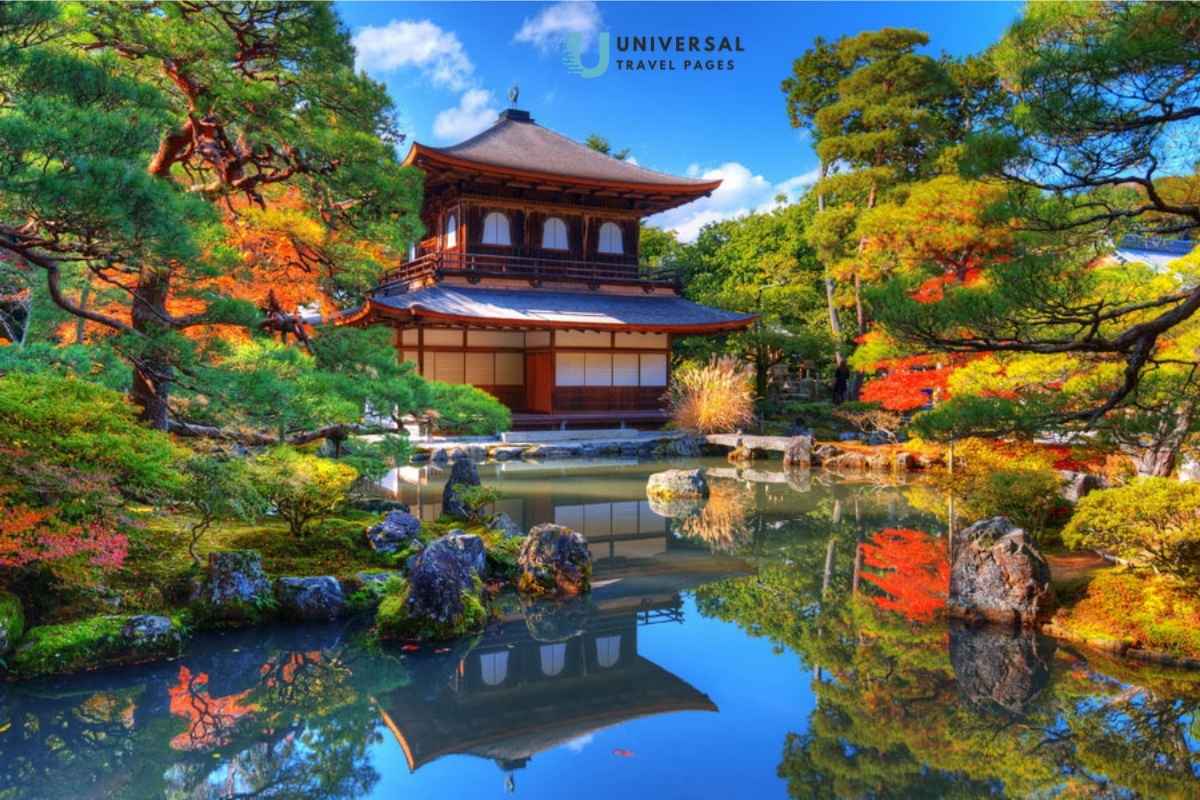
Kyoto Travel Guide 2025 – Temples, Food & Culture

Welcome to Kyoto – Japan’s Ancient Capital of Beauty & Culture

Nestled in the heart of Honshu, Kyoto is a timeless city where tradition meets elegance. As Japan’s former imperial capital, Kyoto offers a captivating journey through centuries of culture — from sacred temples and Zen gardens to vibrant festivals and delicate cuisine. Every corner reveals a new layer of charm and serenity.

What’s New in 2025: Kyoto enchants visitors with revitalized heritage spots, immersive cultural workshops, and eco-conscious travel experiences that celebrate sustainability and tradition.

Whether you're wandering through Arashiyama’s bamboo groves, sipping matcha in a teahouse, or marveling at golden temples, Kyoto promises moments of peace, wonder, and inspiration at every turn.

Top Temples and Cultural Sites in Kyoto

Fushimi Inari Taisha

Fushimi Inari Taisha

Famous for its thousands of vibrant red torii gates leading through the forested trails of Mount Inari.

Kinkaku-ji

Kinkaku-ji (Golden Pavilion)

A breathtaking Zen temple covered in gold leaf, perfectly reflected in its mirror-like pond.

Kiyomizu-dera

Kiyomizu-dera

A UNESCO-listed temple with stunning views from its wooden stage and seasonal cherry blossoms.

Kyoto Food Guide 2025 🍵🍱

Kaiseki Ryori

Kaiseki Ryori (Traditional Multi-Course Meal)

Kyoto's iconic fine dining experience—featuring seasonal ingredients, artistic presentation, and refined Japanese flavors. Best enjoyed in a ryokan or specialty restaurant.
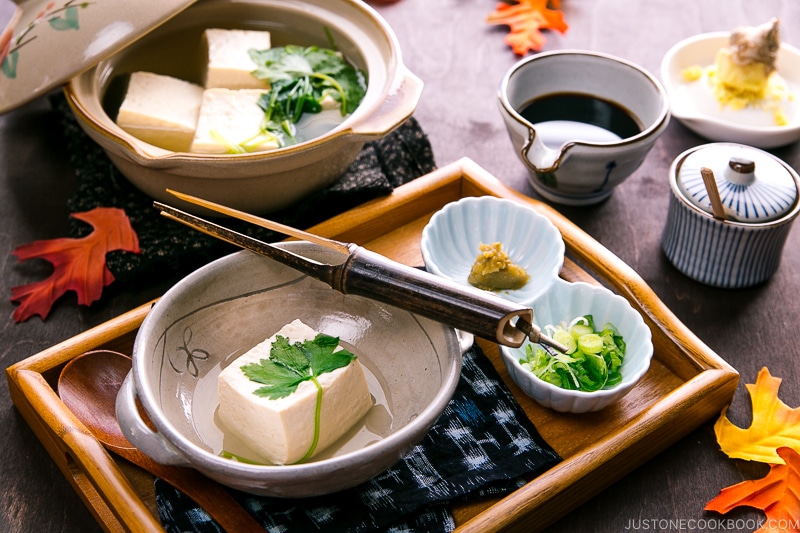
Yudofu

Yudofu (Hot Tofu)

A Zen Buddhist-inspired dish found near temples like Nanzen-ji. This simple yet comforting tofu dish is served in hot broth with light seasoning.

Nishiki Market Snacks

Street Snacks at Nishiki Market

Explore Kyoto’s kitchen with skewered yakitori, matcha croissants, sesame mochi, and pickled vegetables—all in a lively traditional setting.
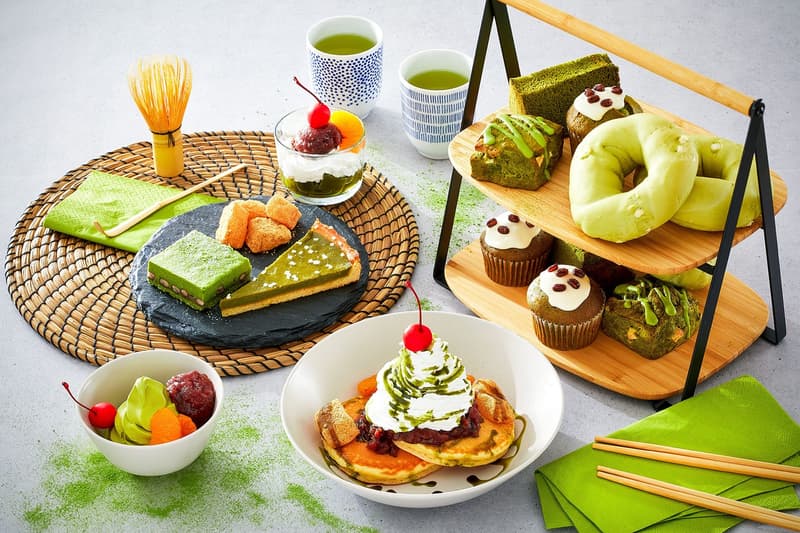
Matcha Desserts

Matcha Sweets & Desserts

Kyoto is famous for premium Uji matcha. Try matcha parfaits, soft serves, and traditional wagashi sweets in cafés across Gion and Arashiyama.

Suggested Kyoto Itinerary – 3 to 4 Days

Day Highlights
Day 1 Fushimi Inari Taisha, Gion District walk, Yasaka Shrine at night
Day 2 Kinkaku-ji (Golden Pavilion), Ryoan-ji, Arashiyama Bamboo Grove, Togetsukyo Bridge
Day 3 Philosopher’s Path, Ginkaku-ji, Heian Shrine, Nishiki Market food tour
Day 4 (Optional) Kyoto Imperial Palace, Nijo Castle, Kyoto Railway Museum, Tea ceremony experience

When to Visit Kyoto in 2025

  • Best Months: March–April (cherry blossoms) & October–November (autumn leaves).
  • Summer Festivals: Don’t miss the iconic Gion Matsuri in July — Kyoto’s biggest and most colorful celebration.
  • Tip: Winters (December–February) are quiet and peaceful, with scenic snow-dusted temples and fewer crowds.

How to Get There and Around Kyoto

From Tokyo:

Hop on the Tokaido Shinkansen (Nozomi, Hikari, or Kodama) from Tokyo Station to Kyoto Station. The Nozomi takes just 2 hours and 20 minutes.

From Kansai International Airport (KIX):

Take the JR Haruka Express directly to Kyoto Station in about 75 minutes. Limousine buses also connect the airport to major hotels.

Getting Around Kyoto:

Kyoto’s transport is tourist-friendly and includes:

  • City Buses: Ideal for reaching temples like Kinkaku-ji, Ginkaku-ji, and Arashiyama.
  • Subway Lines: Fast and reliable for travel across central Kyoto.
  • JR Lines: Great for trips to Nara, Osaka, and Uji from Kyoto Station.
  • Rental Bicycles: A scenic and fun way to explore Kyoto’s historic districts.

Where to Stay in Kyoto

Budget Options

Affordable hostels and capsule hotels in Downtown Kyoto or near Kyoto Station, starting from ¥3,500–¥7,000/night.

Mid‑range Picks

Comfortable 3–4★ hotels in Gion, Higashiyama, or near major transport hubs. Average price: ¥8,000–¥16,000/night.

Luxury Stays

Elegant ryokans and 5★ hotels in Arashiyama or riverside areas, offering onsen baths and garden views – ¥20,000+/night.

🗓️ 7. Best Time to Visit Kyoto

  • 🌸 Spring (March–April): Cherry blossoms (sakura) bloom across Kyoto’s temples and parks — one of the most magical times to visit.
  • 🍁 Autumn (October–November): Vibrant red and orange maple leaves paint the city in fiery color, especially at gardens and temple grounds.
  • ❄️ Winter (December–February): Snow-dusted temples and quiet streets offer a serene, less-crowded atmosphere.
  • 🎉 Summer (June–August): Enjoy lively festivals like Gion Matsuri and fireworks, though be prepared for heat and humidity.

📸 9. What to Pack and Travel Tips

  • 👟 Comfortable walking shoes – Kyoto involves lots of walking, especially around temple districts and gardens.
  • 👘 Respectful clothing for temples – Cover shoulders and avoid short skirts or revealing outfits.
  • 📶 Pocket Wi-Fi or SIM card – For easy navigation and translations on the go.
  • 💴 Cash (Yen) – Many shops and restaurants are cash-only, especially outside central Kyoto.
  • 🗣️ Learn a few Japanese phrases – Like “Arigatou” (Thank you) and “Sumimasen” (Excuse me) to show respect and connect with locals.

Kyoto weather

KYOTO WEATHER

📍 Where is Kyoto?

Kyoto is located in the Kansai region on Japan’s main island, Honshu. It’s easily accessible by bullet trains and buses, making it a perfect base to explore Japan’s cultural heart.

✨ Make 2025 Your Year to Discover Kyoto

Kyoto is not just a city — it’s a timeless journey through Japan’s cultural heart. From stunning temples and serene gardens to vibrant festivals and traditional cuisine, 2025 invites you to experience the magic and heritage that make Kyoto truly unforgettable.


💬 What do you think about Kyoto?

Drop your thoughts below or share this guide with your travel buddies. Let’s inspire more journeys together! 🌏

Leave a Reply

Your email address will not be published. Required fields are marked *


 / 

Sign in

Send Message

My favorites