🛕Why Todai-ji Temple is a Must-Visit
One of Japan’s most iconic and historically significant temples, Todai-ji is a cornerstone of Nara’s cultural and spiritual heritage. It's home to the Great Buddha (Daibutsu), one of the world’s largest bronze statues, and is officially recognized as a UNESCO World Heritage Site. Set within Nara Park, this temple is surrounded by free-roaming sacred deer and centuries of tradition.
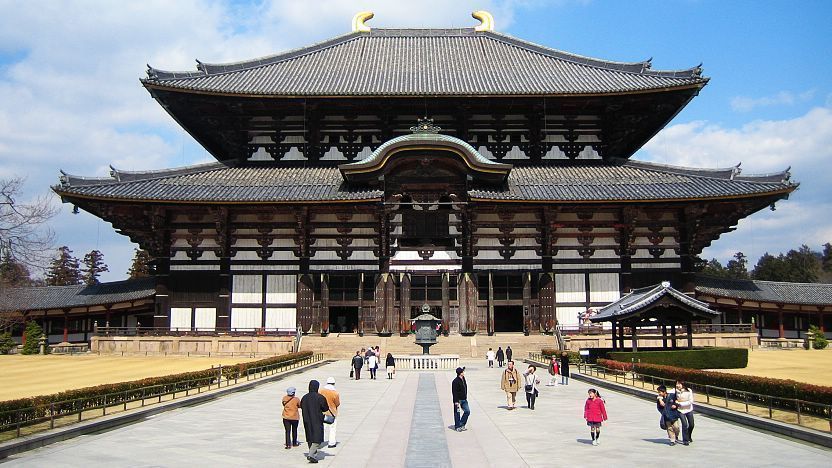
Located in the heart of Nara Park, Todai-ji Temple stands as a magnificent symbol of Japan’s spiritual and architectural legacy. Built in the 8th century under Emperor Shomu, the temple aimed to unify the nation through Buddhism during a time of unrest. Its most famous structure, the Great Buddha Hall (Daibutsuden), is one of the largest wooden buildings in the world and houses the Daibutsu, a towering bronze Buddha statue over 15 meters tall.
As visitors pass through the grand wooden gate, they are greeted by roaming deer—sacred in Shinto belief. The air is filled with incense and reverence, offering a serene spiritual experience. Whether you're a photographer, history lover, or spiritual explorer, Todai-ji offers a captivating journey through Japan’s ancient past. Its designation as a UNESCO site ensures it remains preserved for future generations. Visiting Todai-ji is not just sightseeing—it's stepping into a living piece of Japan's soul.
🗂️ Explore Todai-ji Temple – Quick Guide
- 🏛️ Historical Background of Todai-ji
- 🗿 The Great Buddha (Daibutsu)
- 🏯 Architectural Highlights
- 🦌 Location & How to Get There
- 🕰️ Opening Hours & Entrance Fees
- 📸 What to See Inside
- 🧭 Insider Tips for Visiting
- 📅 Festivals & Events at Todai-ji
- 🧳 Accessibility & Facilities
- 📌 Suggested Half-Day Itinerary
- 📊 Todai-ji Temple – Key Highlights Chart
- 🌍 Todai-ji Temple Location – Google Map
🏛️ Historical Background of Todai-ji
Todai-ji Temple was founded in 752 AD during the Nara period under the guidance of Emperor Shomu, who sought to promote Buddhism as the state religion. It served as the head temple of all provincial Buddhist temples across Japan, symbolizing spiritual unity and national strength.
The temple was originally part of a vast complex that played a crucial role in Japan’s religious and political history. The construction of the Daibutsu (Great Buddha) was an enormous national project involving thousands of craftsmen and laborers, and it solidified Todai-ji’s status as a religious epicenter.
Despite suffering damage from earthquakes, fires, and wars throughout the centuries, Todai-ji has been reconstructed and restored multiple times with great care. Today’s main hall is a 17th-century reconstruction that still stands as one of the largest wooden buildings in the world.
🗿 The Great Buddha (Daibutsu)
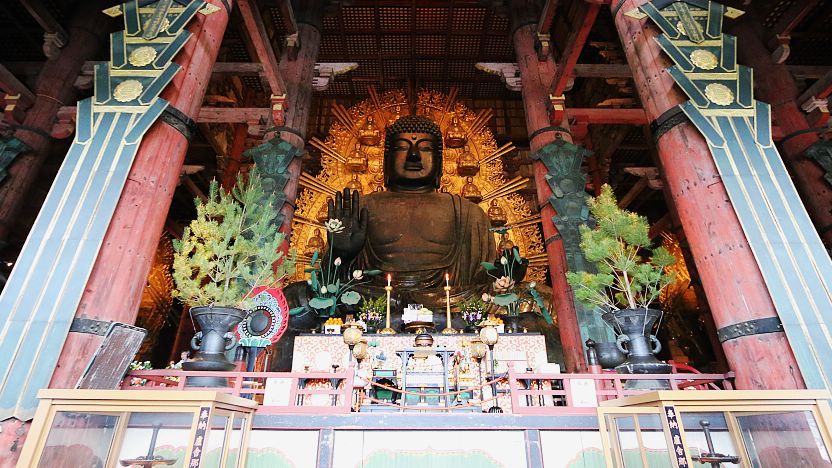
The Great Buddha of Nara, also known as Daibutsu, is one of Japan’s most awe-inspiring religious icons. Standing at an impressive 15 meters (49 feet) tall and made entirely of bronze, this monumental statue represents Vairocana, the cosmic Buddha.
The Daibutsu is enshrined within the Daibutsuden or “Great Buddha Hall,” which, at one point in history, held the title of the largest wooden structure in the world. Though the current hall is a smaller reconstruction of the original, it still astounds visitors with its size and spiritual ambiance.
More than just a giant statue, the Great Buddha embodies ideals of peace, unity, and enlightenment. It remains a central symbol of Japanese Buddhism and draws pilgrims and tourists from around the world who seek to witness its majestic presence.
🏯 Architectural Highlights
Todai-ji is not only home to the Great Buddha, but also a showcase of Japan’s architectural mastery from the Nara period and beyond. Its design reflects spiritual symbolism and imperial craftsmanship.
- Daibutsuden (Great Buddha Hall): Rebuilt in 1709, this immense wooden structure is currently only two-thirds of its original size, yet still one of the largest wooden buildings in the world.
- Nandaimon Gate: A massive entrance gate that houses towering Nio guardian statues, carved in the 13th century to protect the temple.
- Temple Grounds: Adorned with octagonal lanterns, ancient pagodas, and detailed wood carvings that reflect traditional Japanese religious art.
These features not only highlight religious devotion but also the architectural resilience of Japan’s wooden heritage structures.
🦌 Location & How to Get There
📍 Location: Todai-ji Temple is located within Nara Park, Nara, Japan — surrounded by scenic beauty and freely roaming deer.
- 🚶 On Foot: About 20-minute walk from Kintetsu-Nara Station.
- 🚉 By Train: Use the JR Nara Line to reach JR Nara Station, then walk (~30 mins) or take a local bus.
This location is easily accessible from Kyoto and Osaka, making it perfect for a day trip.
🕰️ Opening Hours & Entrance Fees
- ⏰ Open: 8:00 AM to 5:00 PM (may vary slightly by season).
- 💴 Admission: Approximately 600 yen for adults.
- 🧒 Discounts: Available for students and children.
- 🎫 Combo Tickets: You can purchase combined tickets for access to Todai-ji Museum and other temple areas.
📸 What to See Inside
🛕 Daibutsuden: The majestic Great Buddha Hall housing the massive bronze Daibutsu statue.
🕳️ The Pillar Challenge: Try to crawl through a pillar’s hole said to be the size of Buddha’s nostril — for good fortune!
🎨 Todai-ji Museum: Home to historical scrolls, Buddhist art, temple treasures, and artifacts.
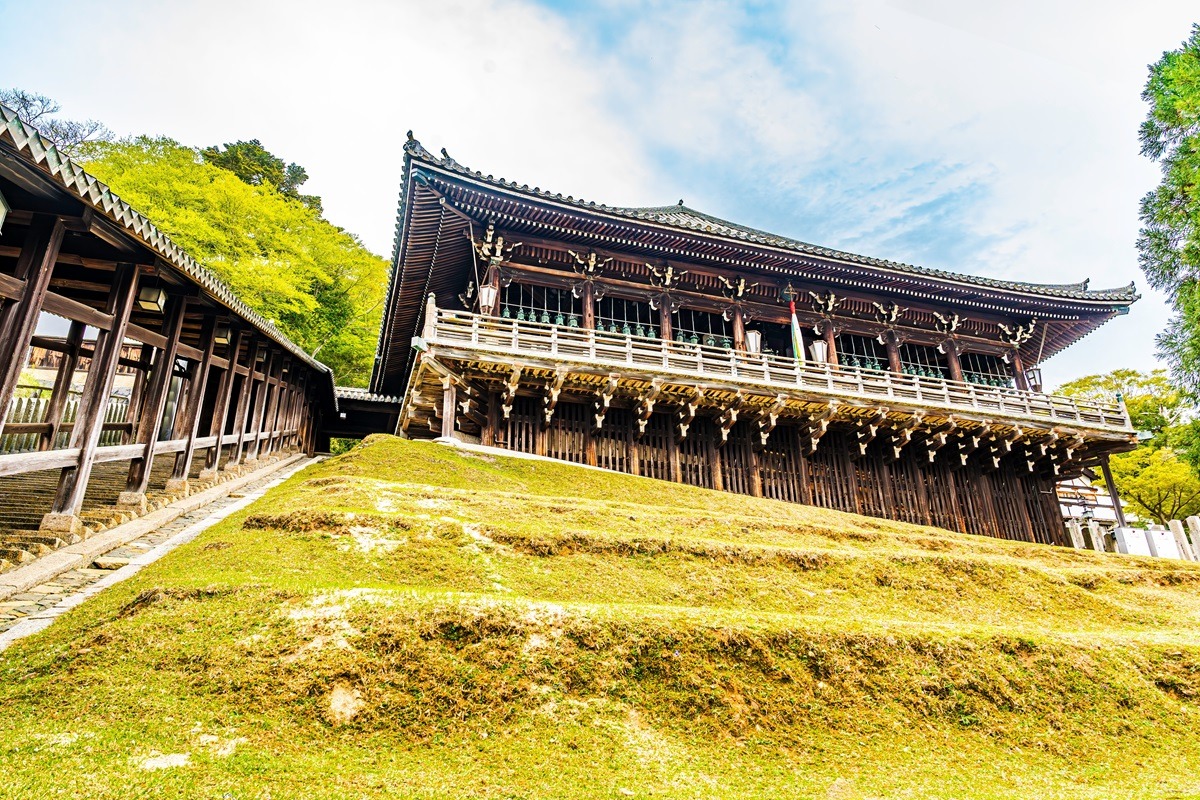
🪵 Temple Grounds: Serene paths, deer roaming, the bell tower, and peaceful gardens await your stroll.
🧭 Insider Tips for Visiting Todai-ji
- 📷 Arrive early to beat tour crowds and take unobstructed photos.
- 🌸 Visit in spring (March–April) for cherry blossoms or autumn (October–November) for beautiful foliage.
- 🦌 Buy shika senbei (deer crackers) to feed nearby deer — be respectful and cautious.
- 📚 Read a little about Buddhism in Japan before your visit for deeper appreciation of the site’s cultural and spiritual meaning.
📅 Festivals & Events at Todai-ji
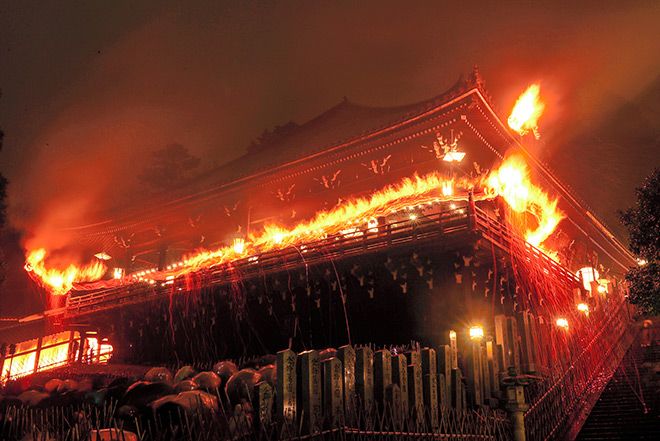
Omizutori (Water Drawing Ceremony): Held every March at Nigatsudo Hall, this 1,250-year-old Buddhist ritual features dramatic flaming torches at night.
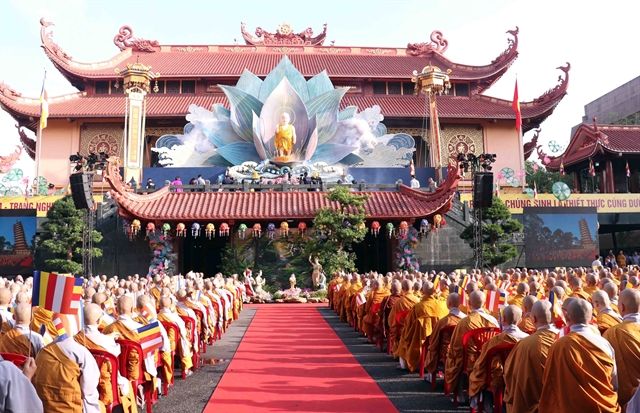
Buddha’s Birthday (April 8): Celebrate with flower offerings, incense, and peaceful temple rituals at Todai-ji’s sacred halls.
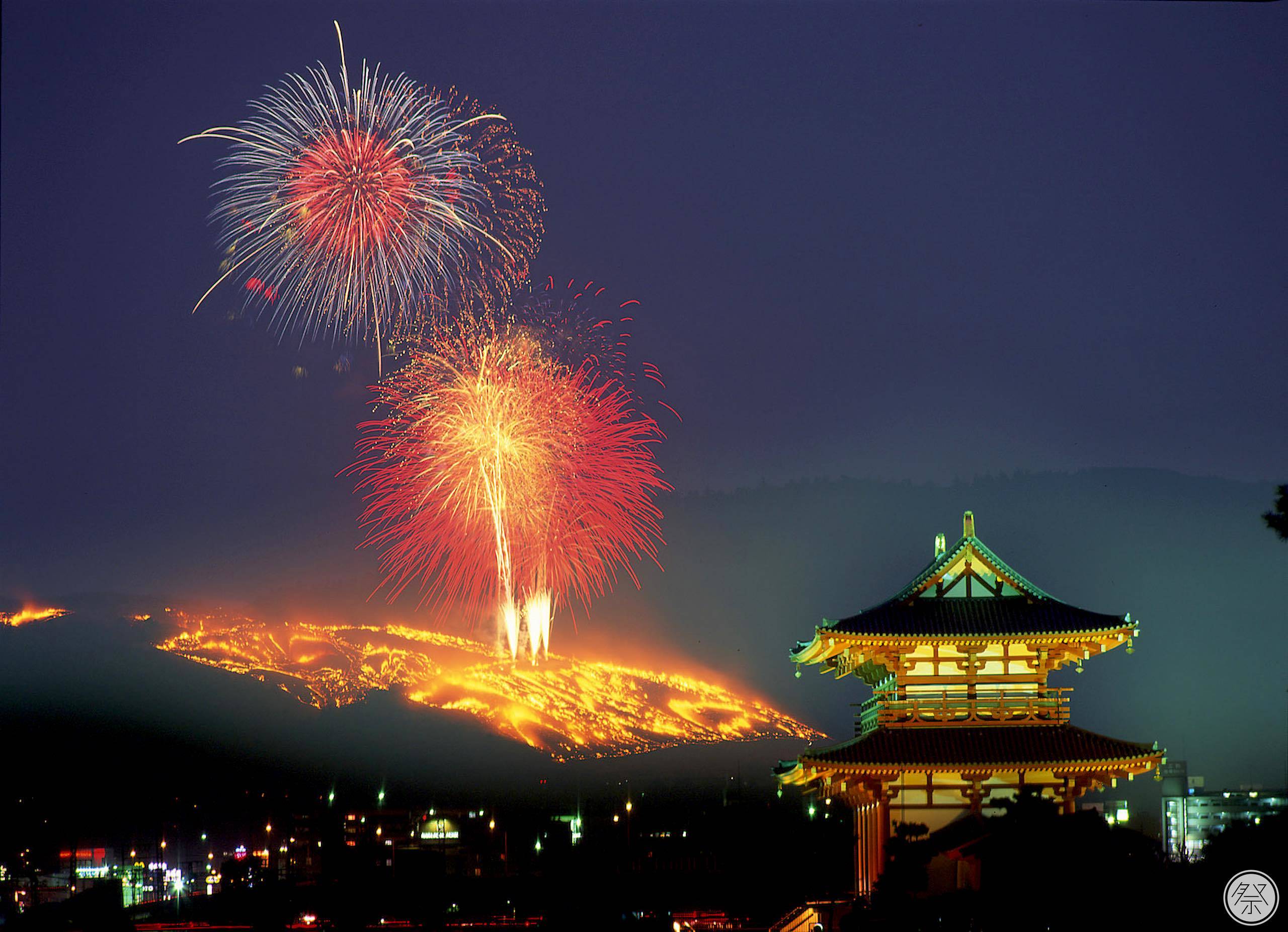
🔥 Wakakusa Yamayaki (January): A dramatic hill-burning event with fireworks over Mount Wakakusa, symbolizing renewal and purification.
🧳 Accessibility & Facilities
- ♿ Wheelchair Access: Walkways and ramps are available throughout Todai-ji, making it accessible for visitors with mobility needs.
- 🛏️ Rest Areas: Benches, rest zones, and shaded areas are available nearby for breaks and relaxation. Restrooms are clearly signposted.
- 🍱 Refreshments: Food stalls, cafés, and small souvenir shops can be found near the main entrance for snacks and drinks.
📌 Suggested Itinerary (Half-Day Plan)
- 9:00 AM: Start at Todai-ji Daibutsuden – explore the Great Buddha Hall.
- 10:30 AM: Walk through Nandaimon Gate and meet the sacred deer in Nara Park.
- 11:00 AM: Visit either Todai-ji Museum or climb up to Nigatsudo Hall for panoramic views.
- 12:30 PM: Enjoy lunch at a local restaurant near Kintetsu-Nara Station.
📊 Todai-ji Temple – Key Highlights Chart
| Section | Key Information |
|---|---|
| 🏛️ Founded | 752 AD by Emperor Shomu during the Nara Period |
| 🗿 Great Buddha (Daibutsu) | 15m tall bronze statue representing Vairocana Buddha |
| 🏯 Main Hall (Daibutsuden) | Once the world’s largest wooden building; rebuilt in 1709 |
| 🚪 Nandaimon Gate | Entry gate with Nio guardian statues |
| 🦌 Deer Park | Over 1,000 sacred deer freely roam around the temple grounds |
| 🖼️ Todai-ji Museum | Contains historical scrolls, statues, Buddhist art, and temple relics |
| 🕳️ Pillar Challenge | Crawl through a wooden pillar — brings good fortune |
| 🎎 Omizutori Festival | March – 1,250+ year-old torch ritual at Nigatsudo Hall |
| 🎉 Buddha’s Birthday | April 8 – Celebrated with flowers and peaceful temple rituals |
| 🔥 Wakakusa Yamayaki | January – Hill burning festival with fireworks |
| 🕰️ Opening Hours | 8:00 AM – 5:00 PM (seasonal variation) |
| 💴 Admission | ~600 yen (student and child discounts available) |
| ♿ Accessibility | Wheelchair-friendly walkways, restrooms, food stalls nearby |
🌍 Todai-ji Temple Location – Google Map
📍 Location: Todai-ji Temple, Nara Park, Nara
🚶 Walking Access: 20-minute walk from Kintetsu-Nara Station
🚉 Train Access: Easily reachable from Kyoto or Osaka via JR or Kintetsu lines.
✅ Your Todai-ji Moment Awaits
Visiting Todai-ji Temple isn’t just a sightseeing stop — it's a spiritual journey through time. From the towering Great Buddha to the seasonal beauty of Nara Park and its free-roaming deer, every step offers wonder, wisdom, and peace. ✨ Whether you're seeking culture, calm, or connection, this timeless temple delivers an unforgettable experience. Visit early, stay curious, and let the magic of Todai-ji unfold before you.
Nara Travel Guide for First-Time Visitors (2025)
🗾 Why Nara Should Be on Your Japan Itinerary Nara, once Japan’s first permanent capital,…
Visiting Todai-ji Temple – History & Tips
🛕Why Todai-ji Temple is a Must-Visit One of Japan’s most iconic and historically significant temples,…
Best Time to Visit Nara for Festivals and Nature
📅 Discover Nara Through the Seasons Nara, Japan, is beautiful year-round, but the best time…
Nara Day Trip Guide from Kyoto and Osaka
🚄 Nara Day Trip Guide from Kyoto and Osaka If you’re visiting Kyoto or Osaka…
Top 7 Things to Do in Nara – Temples & Deer Parks
Top 7 Things to Do in Nara – Temples & Deer Parks Nestled in the…