

The best time to visit Nikko, Japan, truly depends on what you want to experience—but most travelers agree that spring and autumn offer the most scenic beauty. If you're looking to enjoy the iconic cherry blossom season, plan your visit between early April and early May. During this time, Nikko’s shrines and nature parks bloom with delicate pink sakura, creating postcard-perfect scenes throughout the region. Spring weather is mild, ideal for sightseeing, hiking, and photography. It’s also a time when fewer crowds are around compared to Kyoto or Tokyo.
Autumn is another peak season, especially from mid-October to early November. Nikko transforms into a vivid landscape of fiery red, orange, and golden hues. The famous spots like Lake Chuzenji, Kegon Falls, and Irohazaka Winding Road become top destinations for viewing fall foliage. For those seeking a quieter escape, winter offers snow-covered temples and tranquil hot springs from December through February. On the other hand, summer (June to September) is ideal for those who enjoy lush greenery, waterfalls, and cooler mountain air—though July and August can be humid and rainy.
Whether you're on a day trip from Tokyo or planning a multi-day itinerary, Nikko is a destination worth visiting year-round. From cherry blossoms in spring to autumn leaves in fall, every season has its own charm. For the best overall experience, aim for April to May or October to November. These months combine pleasant weather, beautiful landscapes, and cultural events—making them the best time to visit Nikko for most travelers.
🌸 Spring in Nikko (April to May): Cherry Blossoms and Mild Weather
Spring in Nikko is one of the most breathtaking times to visit. From early April to mid-May, the town and its surrounding mountains come alive with cherry blossoms (sakura), fresh greenery, and crisp, cool air. Daytime temperatures range between 12°C and 20°C — ideal for sightseeing without the heat of summer or the chill of winter.
One of the top spring attractions is the sight of cherry blossoms around Shinkyo Bridge, Toshogu Shrine, and along the Daiya River. These historic landmarks take on a magical glow when framed by soft pink petals. Thanks to its elevation, Nikko’s sakura bloom slightly later than Tokyo’s, making it a great follow-up destination for cherry blossom chasers.
Spring is also ideal for hiking in Nikko National Park, where trails open up with blooming flora. Kegon Falls becomes a thunderous sight from snowmelt, while Lake Chuzenji mirrors the sky and blossoms in quiet serenity.
Don’t miss the Yayoi Festival in April, featuring colorful floats and traditional performances. Compared to the peak of autumn, spring sees moderate crowds, and accommodations are more available, especially on weekdays.
Whether you're on a Tokyo day trip or planning a multi-day retreat, spring in Nikko offers a magical blend of natural beauty, cultural charm, and perfect weather — easily one of the best times to experience this heritage-rich destination.
🍃 Summer in Nikko (June to September): Escape the Heat and Explore Nature
Summer in Nikko is a refreshing escape from Tokyo’s intense heat. From June to September, this highland region stays pleasantly cool. Average temperatures range from 17°C to 28°C, making it ideal for outdoor adventures without overheating.
It’s the perfect season for trekking through Nikko National Park, enjoying lush trails under towering trees. Kegon Falls flows at its fullest, while Lake Chuzenji becomes a playground for boating and lakeside picnics. With fewer crowds than autumn or spring, summer offers space and serenity.
However, keep in mind that July and August are part of Japan’s rainy season. Short rain showers are common, especially in the afternoon. Carrying a light rain jacket or umbrella is recommended.
If you're looking for a relaxing, uncrowded mountain escape with nature in full bloom, summer in Nikko is your ideal getaway. Cool air, misty mornings, and the vibrant energy of nature make it a refreshing seasonal choice.
🍁 Autumn in Nikko (October to November): Japan’s Most Stunning Fall Foliage
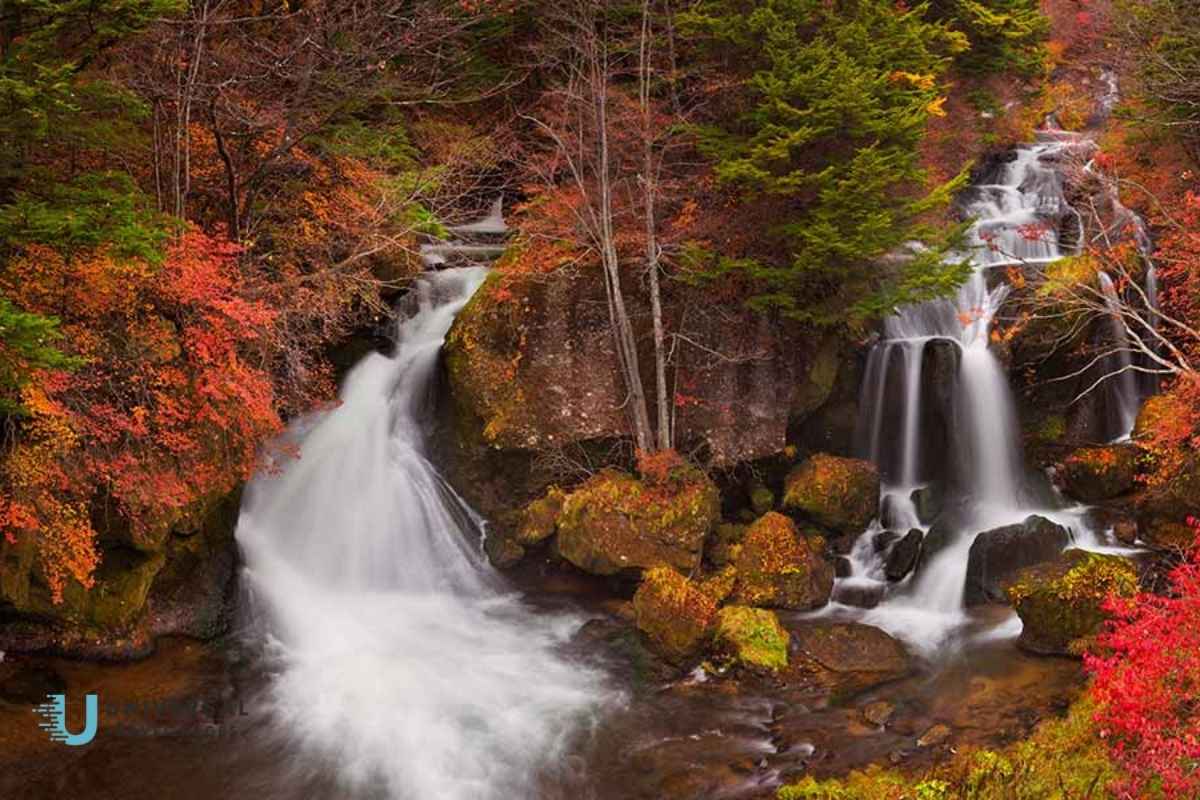
Autumn in Nikko is truly magical. From mid-October to early November, the region transforms into a vibrant tapestry of crimson maples, golden ginkgos, and burnt-orange oaks. Popular spots like Lake Chuzenji, Irohazaka Winding Road, Ryuzu Falls, and Toshogu Shrine attract thousands of leaf-peepers, photographers, and nature lovers from across Japan and the world.
Daytime temperatures range between 10°C and 18°C, making it perfect for crisp-air strolls and scenic hikes. Mornings are misty and mystical, while afternoons offer clear skies and warm sunlight — ideal for photography. Remember to bring layers, as evenings drop to 5°C or below.
One of the most scenic routes is the drive or bus ride along the Irohazaka Winding Road, which offers breathtaking panoramic views of the autumn canopy. Another must-see is the Senjogahara Plateau, where highland marshland turns golden under the changing leaves — perfect for nature walks and birdwatching.
During this season, Nikko hosts several cultural events including the Autumn Grand Festival at Toshogu Shrine, featuring samurai processions and traditional music performances. It’s a fantastic opportunity to combine natural beauty with historical appreciation.
Autumn is Nikko’s peak season, so plan your visit early. Hotels and ryokans fill quickly, especially around weekends. Weekday travel is highly recommended for a more peaceful experience.
Whether you're hiking through colorful trails, enjoying local cuisine like yuba and soba under the falling leaves, or simply relaxing by the lakeside, autumn in Nikko is a visual and cultural feast you’ll never forget.
❄️ Winter in Nikko (December to February): Tranquility, Snow, and Onsen
Winter in Nikko transforms the region into a serene, snow-dusted wonderland. From December to February, the UNESCO-listed temples, cedar-lined paths, and mountainous landscapes are blanketed in white, offering a peaceful contrast to the busier autumn season.
Temperatures range between -5°C and 8°C, so wearing warm layers, gloves, and waterproof boots is essential. The crisp mountain air makes this the perfect time to unwind in one of Nikko’s many outdoor hot springs (onsen), where you can soak while watching snowflakes fall gently around you.
Winter is also ideal for those seeking solitude and reflection. Places like Rinnoji Temple and Lake Yunoko are especially peaceful in this season, with fewer tourists and a sense of timeless stillness in the air. Photographers will find endless inspiration in snow-covered bridges, shrines, and quiet forest trails.
Adventurous visitors can try snowshoeing or winter hiking in the Okunikko region, where trails lead through frozen landscapes with dramatic views. The nearby Yumoto Onsen area also offers a magical retreat with ryokans and hot baths surrounded by pine-covered slopes.
Whether you're curled up with a hot drink, exploring silent temples, or relaxing in an onsen under the stars, winter in Nikko is a soulful and unforgettable experience unlike any other season.
📅 Month-by-Month Guide to Visiting Nikko
January ❄️ – Cold and quiet. Snow blankets temples and mountains. Ideal for onsen and snowy photography. Very few crowds.
February ❄️ – Still snowy, peaceful, and perfect for hot springs. Budget travelers enjoy off-season prices. Bring warm layers!
March 🌱 – Early signs of spring. Trees begin to bud, and the air starts to warm. Less crowded and great for temple walks.
April 🌸 – Cherry blossom season begins. Nikko glows with sakura near shrines and rivers. Moderate crowds, great weather.
May 🌼 – Peak spring beauty. Flowers in full bloom, and hiking trails reopen. Comfortable temperatures and Yayoi Festival vibes.
June 🌧️ – Start of the rainy season. Misty mornings, vibrant forests, and fewer tourists. Bring rain gear for hikes.
July 🌿 – Lush green landscapes. Occasional rain, but ideal for nature lovers. Cool mountain air makes for a good escape from Tokyo.
August ☀️ – Warmest month. Good for waterfalls, lakeside activities, and camping. Avoid weekends if you prefer quiet.
September 🍃 – Rain tapers off. Early autumn colors begin in highlands. Fewer crowds and fresh forest air.
October 🍁 – Peak autumn foliage. Brilliant red, orange, and gold cover the landscapes. Very busy—book early!
November 🍂 – Late autumn colors remain in lower elevations. Cooler, quieter, and still beautiful for walks and views.
December 🎑 – Cold and peaceful. Light snow begins. A magical time for a reflective temple visit and cozy onsen stays.
🎯 What Is the Best Month to Visit Nikko?
While Nikko is beautiful year-round, the best months to visit are April, May, October, and early November. These months offer the perfect blend of mild weather, breathtaking scenery, and cultural events. Whether you want to witness cherry blossoms in spring or marvel at vibrant autumn foliage, these periods are ideal for photography, hiking, and sightseeing.
Temperatures usually range from 10°C to 20°C, making it comfortable for outdoor exploration. The air is crisp, the views are clear, and the energy in town is lively but not overcrowded.
Spring travelers will enjoy the Yayoi Festival and soft pink sakura framing sacred shrines. Autumn visitors can drive the Irohazaka Winding Road through blazing red and gold forests or stroll along Lake Chuzenji under falling leaves.
If you prefer peace and fewer crowds, weekdays during these months are ideal. For those chasing the absolute peak: mid to late October for autumn and early to mid-April for cherry blossoms are the most magical.
No matter when you go, Nikko offers unforgettable moments — but these months promise its most iconic experiences.
Traditional Food to Try in Nikko
Nestled in the mountainous heart of Japan, Nikko is not only known for its UNESCO-listed…
Best Time to Visit Nikko: When to Go for the Best Experience
The best time to visit Nikko, Japan, truly depends on what you want to experience—but…
How to Reach Nikko from Tokyo – Fastest Route
Fastest Route from Tokyo If you’re planning a trip to Nikko from Tokyo, the fastest…
18 Top Things to Do in Nikko
Located in Japan’s Tochigi Prefecture, Nikko is a destination where history, spirituality, and natural beauty…