
🌟 What is the Kandy Esala Perahera?
The Kandy Esala Perahera, also known as the Festival of the Tooth, is one of Sri Lanka’s most majestic and spiritually significant cultural events. Held annually in the sacred city of Kandy, this ancient procession honours the sacred Relic of the Tooth of the Buddha, which is housed in the Sri Dalada Maligawa (Temple of the Tooth Relic).
Dating back to the 3rd century BCE, the Perahera is a breathtaking display of Buddhist devotion, traditional artistry, and Sinhalese royal pageantry. The event features elaborately adorned elephants, Kandyan dancers, fire twirlers, whip crackers, and drummers parading through the historic streets of Kandy.
In 2025, the Kandy Esala Perahera is expected to be even more remarkable, drawing thousands of pilgrims and tourists from around the world. As Sri Lanka continues to shine on the global tourism stage, the Perahera stands as a proud testament to the country’s rich heritage and spiritual heart.
Whether you're a spiritual seeker, culture enthusiast, or curious traveller, witnessing the Esala Perahera is truly a once-in-a-lifetime experience.
🪔 Explore the Kandy Esala Perahera – Your Complete Festival Guide
- 📜 History of the Kandy Esala Perahera
- 🔮 Significance and Symbolism of the Perahera
- 📅 Dates of Esala Perahera 2025
- 🔥 Key Rituals & Events of the Esala Perahera
- 🐘 Elephants & Cultural Performers
- 🗺️ Procession Route & Best Viewing Spots
- 🧳 Travel Tips for Visitors
- 📍 Map of the Procession Route
- 📸 Photography & Media Guidelines
- 🙏 Cultural Etiquette
- ❓ Frequently Asked Questions
- ⛅ Kandy Weather Forecast
History of the Kandy Esala Perahera
The origins of the Kandy Esala Perahera date back to the 18th century during the reign of King Kirthi Sri Rajasinghe. Recognizing the importance of Buddhism and its sacred relics, the king initiated this grand procession to honour the Tooth Relic of the Buddha and ensure its presence was respected and protected within the kingdom.
The sacred Tooth Relic, believed to be an actual tooth of Lord Buddha, was brought to Sri Lanka in the 4th century AD. Since then, it has been a powerful symbol of sovereignty, and its safekeeping has been linked directly with legitimate rule over the land.
Over centuries, the Perahera evolved as a sacred ritual combining religious devotion, royal tradition, and spiritual blessings. It has played a central role in preserving Buddhist faith, showcasing Kandyan culture, and blessing the country with peace and prosperity.
Significance and Symbolism of the Perahera
The sacred Tooth Relic of the Buddha is considered a living representation of the Buddha himself. For centuries, it has been worshipped with immense reverence, symbolizing the spiritual presence and teachings of the Enlightened One.
The procession is believed to invoke divine blessings for rain, protection, and prosperity. Historically, it was also a ritual to affirm the legitimacy and divine right of the ruling monarch to govern the land.
While deeply rooted in Buddhism, the Perahera also embraces Hindu elements, reflecting Sri Lanka's diverse religious harmony. The participation of shrines for deities such as Vishnu, Kataragama, and Pattini showcases its inclusive cultural and spiritual nature.
Dates of Esala Perahera 2025
The Esala Perahera follows the traditional Sinhala lunar calendar. In 2025, the festival is expected to take place between late July and mid-August, depending on the timing of the Esala full moon day (Esala Poya).
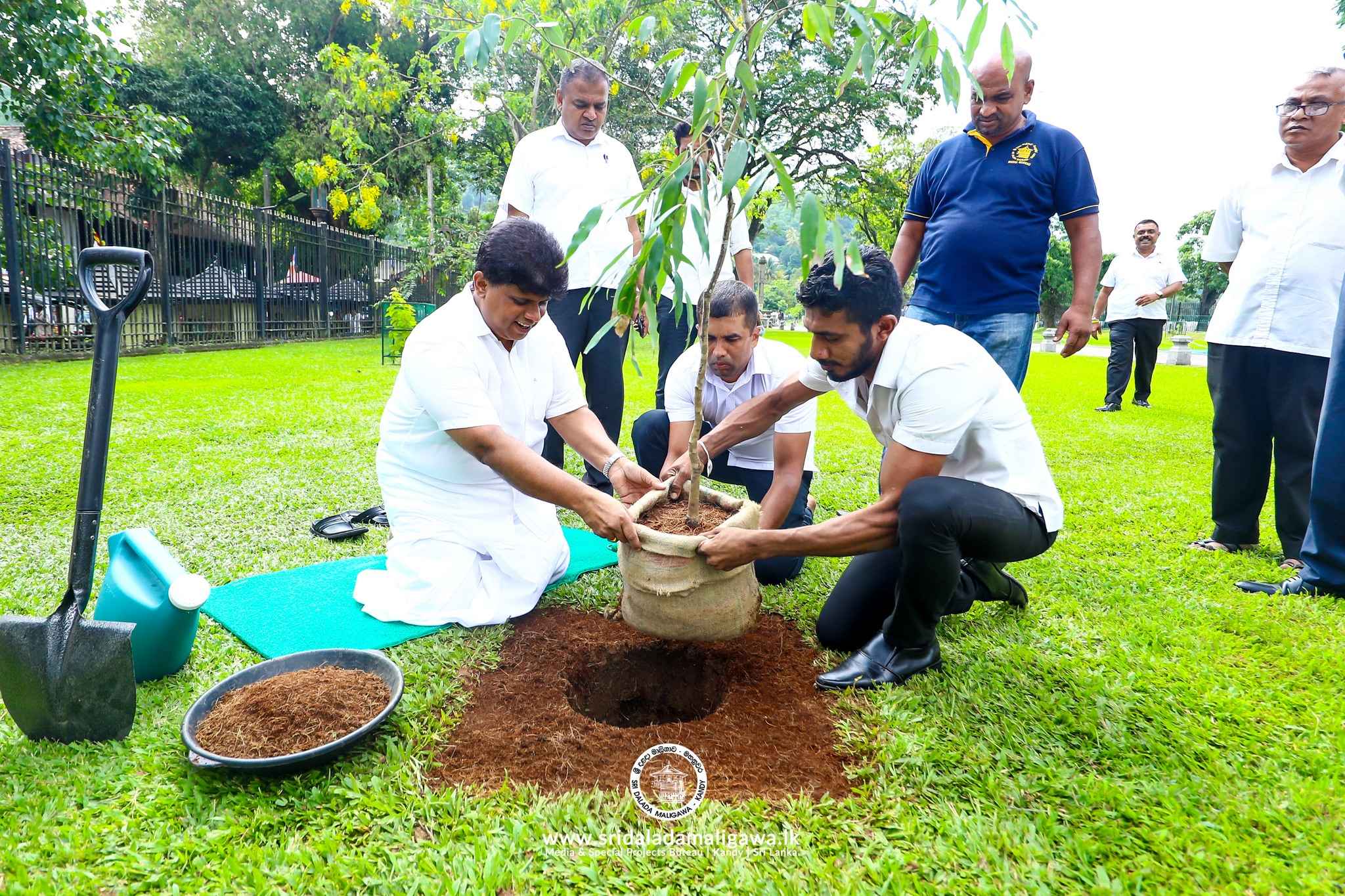
The Kap Situweema ritual marks the beginning of the Perahera season, where a symbolic tree is planted at each of the four Devales (shrines), invoking divine protection and blessings.
The procession then begins with the Kumbal Perahera, held over five nights. This is followed by the more elaborate Randoli Perahera, also held across five nights, featuring the most magnificent displays and the sacred casket-bearing elephant.
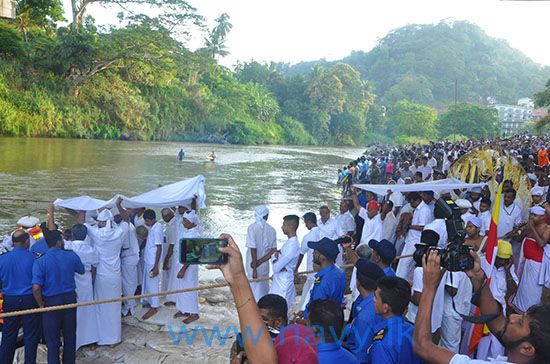
The festival concludes with the traditional Diya Kepeema (Water Cutting Ceremony), which takes place at the Mahaweli River in Getambe on the day after the final Perahera night. It symbolizes purification and closure of the rituals.
Key Rituals & Events of the Esala Perahera
Kap Situweema
This ritual marks the official beginning of the Perahera. A symbolic branch is planted at each Devale to invite divine blessings and protection throughout the event.
Kumbal Perahera
The first procession phase, held for five nights, features elephants, drummers, and dancers parading through the city to familiarize the public with the ritual.
Randoli Perahera
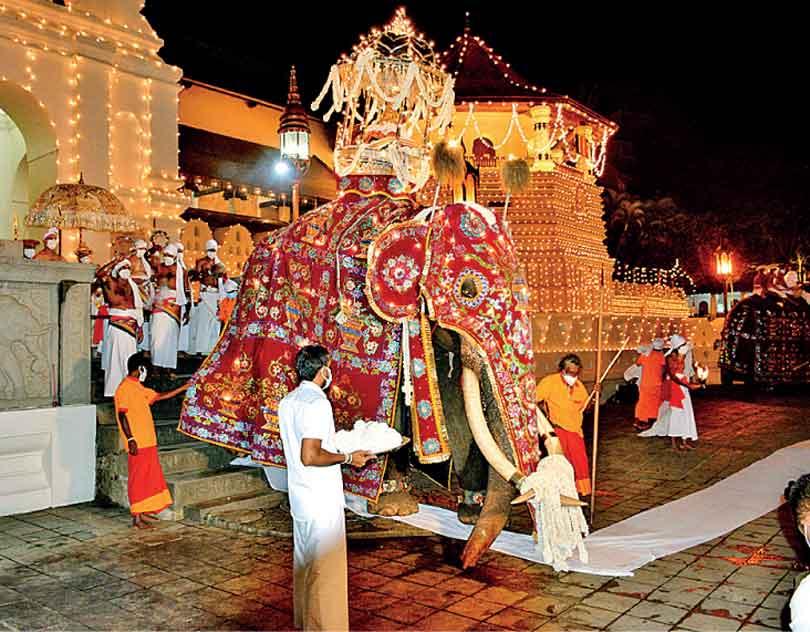
The grandest part of the festival, Randoli Perahera includes the sacred casket-bearing elephant, traditional banners, and the most vibrant cultural displays.
Diya Kepeema (Water Cutting)
The final ritual performed in the Mahaweli River at Getambe, symbolizing spiritual cleansing and the conclusion of the Perahera season.
Elephants & Cultural Performers of the Perahera
Decorated Elephants
One of the most iconic elements of the Perahera is the parade of lavishly adorned elephants. The majestic tuskers wear colorful garments and traditional ornaments. The most revered elephant carries the golden casket (Karanduwa) symbolizing the sacred Tooth Relic.
Kandyan Dancers
Traditional Kandyan dancers perform with graceful movements, vibrant costumes, and rhythmic footwork. Their performance pays tribute to the ancient royal court traditions of Sri Lanka.
Traditional Drummers
Rhythmic beats echo through the streets as traditional drummers – including Geta Bera and Yak Bera players – set the tone for the procession. Their drumming enhances the spiritual atmosphere and helps coordinate the movement of performers.
Fire Dancers
Fire twirlers and torch bearers create a spectacular visual experience by spinning flames, tossing fire poles, and lighting the path of the Perahera at night.
Whip Crackers
Opening the procession, whip crackers crack their whips loudly into the air, symbolizing the clearing of the path for the sacred relic and alerting the audience of the parade’s approach.
Traditional Flag Bearers
Holding banners and sacred symbols, the flag bearers represent regional provinces, devales (shrines), and ancient Sri Lankan kingdoms. Their orderly participation brings historical prestige to the event.
Procession Route & Best Viewing Spots
Procession Route
The Esala Perahera procession begins and ends at the Sri Dalada Maligawa (Temple of the Tooth Relic) in Kandy. The route circles the historic streets of the city including:
- D. S. Senanayake Street
- Temple Square
- Deva Veediya
- Yatinuwara Veediya
- King’s Street and E. L. Senanayake Veediya
Best Viewing Spots
Some of the most popular and comfortable places to view the Perahera include:
- In front of the Temple of the Tooth (early arrival required)
- Queens Hotel balcony seating
- Yatinuwara Street (good for photographers)
- Near Kandy City Centre (CCTV screens + clear access)
- Public grandstands or ticketed boxes (available online)
Travel Tips for Visitors – Esala Perahera 2025
1. Book Accommodation Early
Hotels in Kandy fill up quickly during the Perahera season. Reserve your stay at least 2–3 months in advance, especially if you're looking for properties close to the temple or city center.
2. Use Public or Rail Transport
During the Perahera nights, Kandy roads are crowded and many are closed. Travel by train from Colombo to Kandy or use intercity buses. Tuk-tuks and rideshare apps are useful for local travel.
3. Get Reserved Seating If Possible
Many local travel agencies offer ticketed seats with front-row views. These are ideal for photographers, families, and international guests who want a guaranteed spot.
4. Dress Respectfully & Stay Calm
Wear light, modest clothing suitable for warm weather. Avoid loud talking or disrespectful gestures. The Perahera is a deeply spiritual event for Buddhists.
5. Carry Snacks & Water
Processions can last 2–4 hours. Carry bottled water, snacks, and an umbrella or fan. Some areas may not have easy access to shops once the crowd gathers.
6. Learn a Few Sinhala Phrases
While English is spoken in many places, learning a few simple Sinhala phrases like “Ayubowan” (hello) or “Istuti” (thank you) will help you connect better with locals.
Map of the Esala Perahera Procession Route
Explore the approximate route of the Kandy Esala Perahera along with key landmarks such as the Sri Dalada Maligawa, Kandy Lake, and nearby hotels.
Photography & Media Guidelines – Esala Perahera
Is Photography Allowed?
Yes, photography is permitted throughout the Perahera. However, it is strongly recommended to avoid using flash as it may distract performers and disturb the spiritual atmosphere. Be mindful of others when capturing images from public areas.
Are Drones Allowed?
Drone usage is generally restricted or prohibited during the Perahera due to safety, crowd control, and respect for sacred elements. Only approved media crews with special permission are allowed to operate aerial cameras.
Is There Live Media Coverage?
Yes. The Esala Perahera is broadcast live on national television and via official YouTube streams. Look out for coverage from Sri Lanka Rupavahini, ITN, and Temple of the Tooth’s official channels. These are excellent ways to experience the event remotely.
Cultural Etiquette During the Perahera
Respect Monks, Rituals, and Sacred Items
Always show deep respect to Buddhist monks and sacred relics. Stand quietly during ritual moments and avoid positioning yourself higher than monks or the Karanduwa (sacred casket). Never turn your back to it in disrespect.
Keep Noise to a Minimum
Refrain from loud talking, shouting, or cheering during the procession. The Perahera is a spiritual observance, not a carnival, and respectful silence enhances the experience for all.
Making Offerings & Donations
If you wish to offer donations, do so respectfully at designated counters or donation boxes near the Sri Dalada Maligawa. Avoid handing money directly to performers or monks. You may also light oil lamps and offer flowers as a traditional form of reverence.
Frequently Asked Questions – Esala Perahera 2025
When is the Esala Perahera in 2025?
The Perahera is expected to take place between late July and mid-August 2025, aligned with the Esala Full Moon Poya Day. Official dates will be announced closer to the season.
Is there a ticket or entrance fee?
The Perahera itself is free to watch from public areas. However, ticketed seating areas with better views and facilities are available for purchase through authorized providers.
Can I take photos or videos during the Perahera?
Yes, photography is allowed, but please avoid using flash and always respect performers and sacred moments. Drones may be restricted unless permitted.
Is the Perahera suitable for families and children?
Absolutely. The Perahera is a family-friendly cultural event. Just make sure to bring water, snacks, and seating cushions for long viewing hours.
Can I attend without knowing Sinhala?
Yes. Many signs are available in English, and locals are usually helpful. Some travel guides also offer English commentaries and tours.
Kandy Weather Forecast
KANDY WEATHERA Journey Beyond Tradition
The Kandy Esala Perahera is not just a parade. It is a spiritual, cultural, and emotional journey through the living heritage of Sri Lanka. With every rhythmic drumbeat, glowing torch, and sacred step — the soul of a nation is revealed.
Whether you witness it for the first time or return again, the Perahera will leave an imprint on your heart. We invite you to experience it at least once in your lifetime — and become part of something eternal.
Back to Top