


Ramadan 2025

Ramadan 2025 is expected to begin on the evening of March 1, 2025, and end on March 30, 2025, depending on the sighting of the moon. This is the ninth month of the Islamic lunar calendar and the holiest month for Muslims worldwide.
What is Ramadan?
Ramadan is a time of spiritual reflection, self-discipline, and devotion. During this month, Muslims fast from dawn (Fajr) to sunset (Maghrib), refraining from food, drink, smoking, and other physical needs. It is also a period for increased prayer, charity, and recitation of the Quran.
Key Practices During Ramadan:
Fasting (Sawm):
- Observing a daily fast from sunrise to sunset.
- The fast begins with a pre-dawn meal called Suhoor and ends with a meal called Iftar.
Increased Worship:
- Muslims perform additional prayers known as Taraweeh at night.
- Reading the Quran is encouraged, with many aiming to complete it during the month.
Acts of Charity:
- Generosity and charitable acts are emphasized, including the giving of Zakat (almsgiving).
Reflection and Self-Control:
- Ramadan is a time for introspection, avoiding sinful behaviour, and strengthening the bond with God.
The Significance of Ramadan:
- It commemorates the month when the first verses of the Quran were revealed to Prophet Muhammad (PBUH) by the angel Jibreel (Gabriel).
- Fasting is one of the Five Pillars of Islam, making it an essential act of worship.
Important Dates During Ramadan 2025:
- Laylat al-Qadr (Night of Decree): Expected in the last ten days of Ramadan, likely on the 27th night. It is considered the holiest night, with prayers and deeds earning multiplied rewards.
- Eid-ul-Fitr: Celebrated at the end of Ramadan, it marks the breaking of the fast and is a day of joy, feasting, and prayers.
Travel Tips for Non-Muslims Visiting Muslim Countries During Ramadan:
- Respect local customs, such as not eating or drinking in public during fasting hours.
- Many restaurants and cafes may have reduced hours or closed doors during the day.
- Night markets and food stalls come alive during Iftar, offering an experience of local traditions.
Ramadan is a spiritually significant month for Muslims, fostering community, gratitude, and devotion.
Eid-ul-Fitr (Kuda Eid Festival)

Date for 2025: The evening of March 30 to March 31, 2025 (depending on the moon sighting).
Eid-ul-Fitr, also known as Kuda Eid in the Maldives, marks the end of the holy month of Ramadan. It is a joyous festival celebrated by Muslims worldwide, including the Maldives, and signifies the conclusion of a month of fasting, prayer, and spiritual reflection.
What is Eid-ul-Fitr?
“Eid-ul-Fitr” translates to the “Festival of Breaking the Fast.” It is a time for gratitude, celebration, and unity. Families and communities come together to commemorate their spiritual achievements during Ramadan and thank Allah for His blessings.
How Is Kuda Eid Celebrated in the Maldives?
In the Maldives, Kuda Eid is celebrated with unique local traditions and festive activities:
Community Prayers:
- The day begins with Salat al-Eid (Eid prayers) held in mosques or open prayer grounds.
- People wear their finest traditional clothing, symbolizing purity and joy.
Feasting on Traditional Delicacies:
- Maldivians prepare special meals, including traditional dishes like mas huni (a mix of tuna, coconut, and onion) served with roshi (flatbread).
- Sweet treats and desserts, such as bondibaiy (sweetened sticky rice), are a staple.
Charity (Zakat al-Fitr):
- Before the prayers, Muslims give Zakat al-Fitr, a charity form, to help those in need celebrate Eid.
Family and Social Gatherings:
- Families visit relatives and friends, exchange gifts, and share meals.
- Children often receive new clothes, toys, and Eidi (money) as a token of celebration.
Traditional Games and Cultural Activities:
- Islanders organize traditional games, music, and dance performances.
- Local sports tournaments and community gatherings are popular.
Significance of Eid-ul-Fitr:
- This is a time to thank Allah for granting strength and patience during Ramadan.
- An opportunity for forgiveness, reconciliation, and strengthening bonds within the community.
- It is a day to share joy with loved ones and ensure everyone, especially the less fortunate, can partake in the celebrations.
Tips for Travelers Visiting Maldives During Kuda Eid:
- Join the Celebrations: Many resorts and local islands organize special events and feasts for tourists to experience the festivities.
- Respect Local Customs: Dress modestly and be mindful of the cultural significance of the day.
- Plan Ahead: Public services may be limited during Eid, so plan travel and accommodations.
Eid-ul-Fitr, or Kuda Eid, in the Maldives, is a religious event and a vibrant cultural celebration. It’s a perfect time for visitors to immerse themselves in the traditions and hospitality of the Maldivian people while enjoying the serene beauty of the islands.
Bodu Eid 2025: Saturday, June 7, 2025 (Tentative Date)
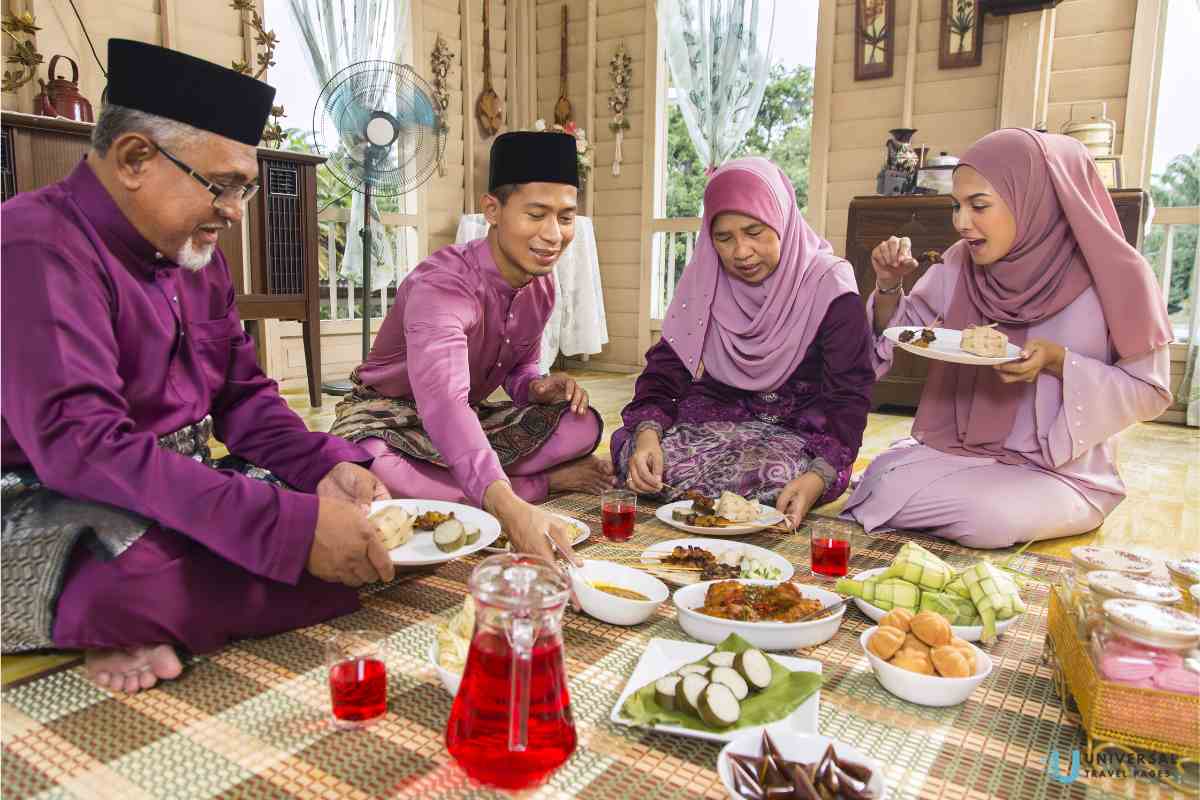
Bodu Eid is one of the most significant festivals in the Maldives, celebrated with grandeur and cultural vibrancy. The term “Bodu Eid” means “Big Eid” in Dhivehi, referring to the Eid-ul-Adha festival, which commemorates the willingness of Prophet Ibrahim (Abraham) to sacrifice his son in obedience to Allah’s command. It is celebrated on the 10th day of Dhul-Hijjah, the last month of the Islamic lunar calendar.
Significance of Bodu Eid
Bodu Eid marks the conclusion of the annual Hajj pilgrimage in Mecca and highlights themes of faith, sacrifice, and community. It is a time for prayer, reflection, and sharing blessings with others.
How Is Bodu Eid Celebrated in the Maldives?
Morning Prayers:
- The day begins with special Salat al-Eid (Eid prayers) performed in mosques and open grounds.
- Men, women, and children dress in their best traditional attire for the occasion.
Animal Sacrifice (Qurbani):
- Families that can afford to perform Qurbani (sacrificial slaughter of animals such as goats, cows, or camels) do so, following Islamic traditions.
- The meat is distributed among family, friends, and the less fortunate, ensuring everyone shares in the blessings.
Traditional Feasts and Food:
- Lavish feasts are prepared, featuring local Maldivian delicacies like Garudhiya (a fish soup), kulhi boakibaa (spicy fish cakes), and various seafood dishes.
- Families gather to enjoy meals together, emphasizing unity and gratitude.
Community Gatherings and Events:
- Villages and islands organize cultural performances, traditional dances, and sports activities.
- Bodu Beru (traditional Maldivian drumming and dancing) performances highlight the celebrations.
Charity and Giving Back:
- Acts of charity and generosity are integral to Bodu Eid.
- Locals give donations, gifts, and food to the needy to ensure everyone partakes in the festivities.
Social Visits and Gifts:
- Families visit relatives and friends to exchange Eid greetings and gifts.
- Children often receive Eidi (money or gifts) as a token of celebration.
Travel Tips for Visitors During Bodu Eid:
Experience Local Culture:
Stay on a local island to participate in traditional celebrations and enjoy authentic Maldivian hospitality.Plan Ahead:
Many services may be limited during the festival, so book accommodations and transport in advance.Dress Modestly:
Respect local customs by wearing modest clothing, especially if visiting mosques or participating in community events.
Why Visit Maldives During Bodu Eid?
Bodu Eid offers a unique opportunity to witness the rich cultural heritage of the Maldives. From traditional festivities to heartfelt hospitality, it is a time when the islands come alive with joy and unity. For travellers, it’s a chance to connect with the Maldivian way of life while enjoying the serene beauty of the tropical paradise.
Celebrate Bodu Eid 2025 in the Maldives and create unforgettable memories of this vibrant and meaningful festival!
Eid-ul-Adha 2025: Friday, June 6 – Tuesday, June 10, 2025

Prophet’s Birthday (Mawlid al-Nabi): Thursday, September 4 – Friday, September 5, 2025

The Prophet’s Birthday, known as Mawlid al-Nabi, is a significant religious observance for Muslims worldwide, including the Maldives. It commemorates the birth of Prophet Muhammad (PBUH) on the 12th day of Rabi al-Awwal, the third month of the Islamic lunar calendar.
In 2025, Mawlid al-Nabi will be observed from the evening of Thursday, September 4, to the evening of Friday, September 5.
Significance of Mawlid al-Nabi
Mawlid al-Nabi is a time for Muslims to reflect on the teachings, life, and legacy of Prophet Muhammad (PBUH). It serves as a reminder of his message of peace, compassion, and devotion to Allah.
How Mawlid al-Nabi is Celebrated
Religious Gatherings and Prayers:
- Muslims gather in mosques and community spaces for special prayers and recitations of the Quran.
- Speeches and sermons focus on the Prophet’s life, emphasizing his moral character and teachings.
Recitation of Poetry and Songs:
- Nasheeds (Islamic songs) and poems praising the Prophet are recited.
- In the Maldives, cultural variations of devotional music may be included.
Acts of Charity:
- Generosity is emphasized, with many giving to the less fortunate as a way of honouring the Prophet’s compassion.
- Food and gifts are often distributed to the needy.
Special Decorations:
- Mosques and homes are adorned with lights and banners.
- Public spaces may feature decorations symbolizing the occasion.
Community Gatherings and Feasts:
- Families and communities gather to share meals and discuss the Prophet’s teachings.
- Traditional Maldivian dishes like mas huni (a tuna-based dish) and sweet treats are often prepared.
Mawlid al-Nabi in the Maldives
In the Maldives, the Prophet’s Birthday is observed with simplicity and reverence. While some nations celebrate with grand parades and public festivities, the Maldives focuses on religious observance and community gatherings. Islanders often host communal meals, and sermons are delivered in mosques to highlight the Prophet’s virtues.
For Visitors in the Maldives During Mawlid al-Nabi:
- Respect Religious Practices: Dress modestly and avoid public celebrations during religious activities.
- Experience Local Traditions: Visit local mosques or community events to learn about the Maldivian way of observing Mawlid al-Nabi.
- Plan Ahead: Public services and businesses may operate on reduced hours during the holiday.
Mawlid al-Nabi is a profoundly spiritual and reflective time in the Maldives. For travellers, it offers a meaningful glimpse into the Islamic traditions and values that shape the cultural identity of this beautiful island nation.
The Day Maldives Embraced Islam: Tuesday, September 23 – Wednesday, September 24, 2025
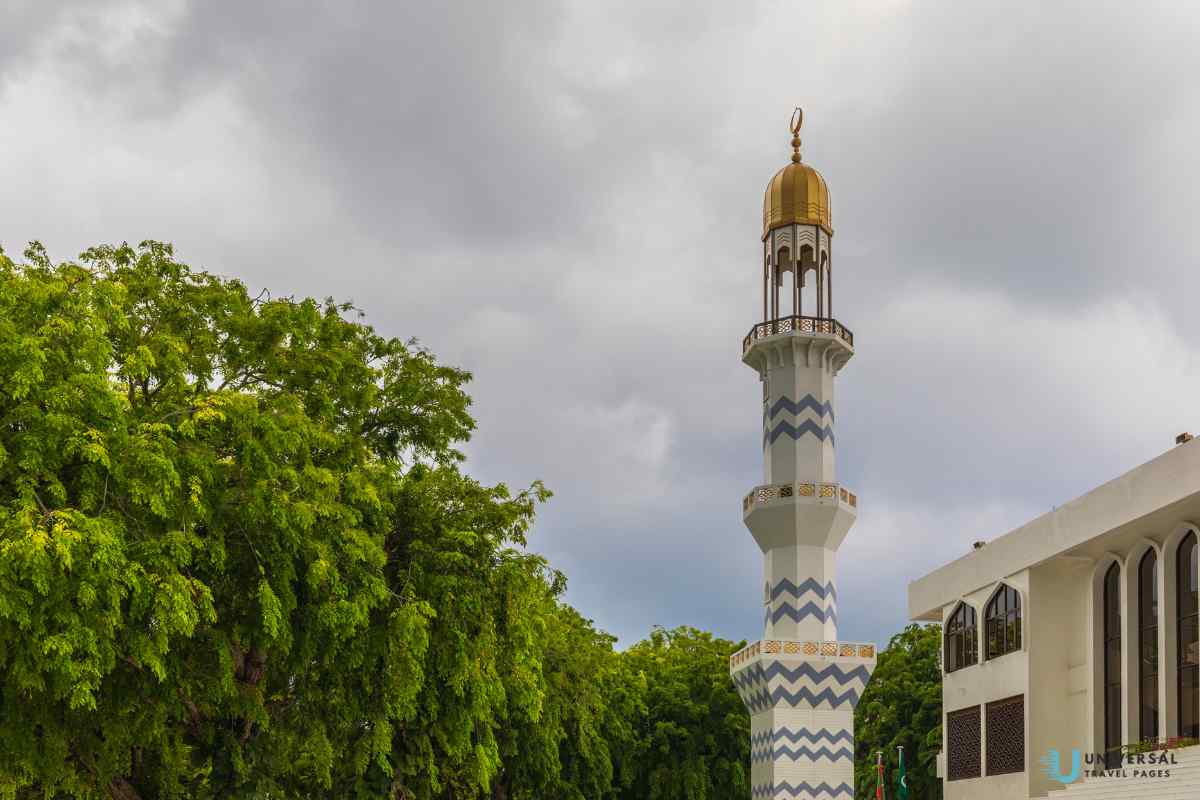
The Day Maldives Embraced Islam is a historic and spiritually significant event for the Maldivian people, marking the nation’s transition to Islam. This day commemorates the pivotal moment in 1153 CE when the Maldives converted from Buddhism to Islam, becoming an Islamic nation.
In 2025, this day will be observed from the evening of Tuesday, September 23, to the evening of Wednesday, September 24.
Historical Significance
- In the 12th century, a North African scholar, Abu al-Barakat Yusuf al-Barbari, played a key role in introducing Islam to the Maldives.
- Legend has it that he helped the Maldivian king overcome a sea demon (known as Rannamaari) by reciting the Quran, leading to the king and the nation’s conversion to Islam.
- Since then, Islam has been deeply rooted in Maldivian culture and daily life, shaping its traditions, governance, and identity.
How the Day Is Observed in the Maldives
Special Prayers and Religious Gatherings:
- Mosques host special prayers (Dua) and Quranic recitations.
- Sermons reflect on the significance of Islam in shaping the Maldives’ history and culture.
Educational Programs:
- Schools, cultural centres, and media outlets organize events to educate the younger generation about the historical and spiritual importance of the day.
- Documentaries, discussions, and exhibitions highlight the transition to Islam.
Community Feasts and Sharing:
- Families and communities come together for meals, often featuring traditional Maldivian dishes like masroshi (tuna-stuffed chapati) and sweet treats.
- Charity and acts of kindness are emphasized as part of Islamic values.
Cultural Events:
- Local performances, including traditional Bodu Beru drumming and storytelling, often focus on historical events tied to the introduction of Islam.
- Islanders organize communal activities to strengthen social bonds.
For Visitors in the Maldives During This Event:
- Respect Local Customs: Dress modestly and be mindful of religious practices.
- Engage in Learning: Take the opportunity to attend cultural events and learn about the history of Islam in the Maldives.
- Plan Activities Around Observances: Some businesses and public services may have limited hours.
Why This Day Matters
The Day Maldives Embraced Islam is more than just a historical milestone. It reflects the nation’s deep spiritual and cultural transformation, uniting the Maldivian people under a shared faith and set of values. For visitors, it offers a unique window into the Islamic heritage that continues to shape the Maldives today.
Independence Day of Maldives: Saturday, July 26, 2025

Independence Day in the Maldives is a national holiday celebrated every year on July 26th, commemorating the country’s independence from British rule in 1965. It marks a proud moment in the nation’s history when the Maldives regained sovereignty after being a British protectorate for 77 years.
In 2025, Independence Day falls on Saturday, July 26, and it will be celebrated with great enthusiasm and patriotism across the islands.
Significance of Independence Day
The Maldives was a British protectorate from 1887 to 1965, during which Britain handled its foreign affairs while allowing the Maldivian monarchy to govern domestically. On July 26, 1965, the Maldives officially gained full independence, becoming a sovereign nation. This day symbolizes freedom, national pride, and the resilience of the Maldivian people.
How Independence Day is Celebrated in the Maldives
Flag-Hoisting Ceremonies:
- The day begins with hoisting the national flag in government buildings, schools, and public spaces.
- The flag symbolizes the unity, pride, and sovereignty of the Maldives.
Parades and Cultural Performances:
- The capital city, Male hosts grand parades featuring the Maldivian National Defence Force, school children, and cultural troupes.
- Traditional dances, drumming performances (Bodu Beru), and theatrical displays recount the country’s history.
Fireworks and Light Displays:
- A spectacular fireworks display lights up the skies over Male and other major islands.
- Streets and public buildings are adorned with colourful lights and decorations in celebration.
Community Gatherings and Feasts:
- Islanders gather for communal meals, sharing traditional Maldivian dishes such as Garudhiya (fish soup) and kulhi boakibaa (spicy fish cakes).
- It is a time to strengthen bonds and reflect on the nation’s achievements.
Educational Events:
- Schools and media outlets organize events and programs highlighting Independence Day’s historical significance.
- Documentaries, exhibitions, and discussions delve into the journey of the Maldives toward independence.
For Visitors in the Maldives During Independence Day
- Experience the Festivities: Head to Male or other local islands to witness parades, cultural shows, and fireworks.
- Engage with Locals: Join community events and learn more about Maldivian history and traditions.
- Plan Ahead: Some public services and businesses may operate on limited schedules during the holiday.
Why Independence Day Matters
Independence Day is a time for the Maldivian people to reflect on their journey as a sovereign nation and to celebrate their rich heritage and unity. It is a proud reminder of their resilience and determination to safeguard their identity and culture.
For travellers, it offers a chance to immerse themselves in this stunning island nation’s vibrant traditions and national pride.
National Day of Maldives: Sunday, August 24, 2025

The National Day of the Maldives, or “Qaumee Dhuvas”, is a significant occasion commemorating Muhammad Thakurufaanu Al-Auzam’s victory and his forces in driving out Portuguese colonial powers in 1573. It marks a pivotal moment in Maldivian history, celebrating the nation’s sovereignty and the bravery of its national hero.
2025 National Day falls on Sunday, August 24, according to the Islamic calendar (1st of Rabee’ al-Awwal).
Historical Significance
- The Maldives was under Portuguese occupation from 1558 to 1573, during which the occupiers attempted to suppress local culture and religion.
- Muhammad Thakurufaanu, a Maldivian hero from Utheemu in the northern Maldives, led a resistance with his brothers.
- Their efforts culminated in the expulsion of the Portuguese and the restoration of Islamic rule in the Maldives.
- National Day celebrates this victory and honours the resilience and unity of the Maldivian people.
How National Day is Celebrated in the Maldives
Flag-Hoisting Ceremonies:
- Official events begin with hoisting the national flag across government buildings and schools.
Parades and Cultural Displays:
- The capital, Male, hosts grand parades involving schoolchildren, government officials, and cultural troupes.
- Traditional Bodu Beru (drumming) performances and reenactments of historical events showcase Maldivian heritage.
Public Speeches and Tributes:
- Leaders deliver speeches reflecting on the day’s significance and Muhammad Thakurufaanu’s bravery.
- Tributes are paid to the nation’s history and its heroes.
Cultural Events and Competitions:
- Islanders participate in traditional games, music performances, and art competitions.
- Exhibitions highlight the life of Muhammad Thakurufaanu and the events of the resistance.
Feasts and Family Gatherings:
- Families prepare and share traditional dishes like Mas Huni and Bondibaiy (sweetened sticky rice), fostering a sense of unity.
For Visitors in the Maldives During National Day:
- Join the Celebrations: Visit Male or local islands to experience parades and cultural events.
- Learn Maldivian History: Explore historical sites such as Utheemu Island, the birthplace of Muhammad Thakurufaanu.
- Respect Local Customs: Engage with locals and their traditions while being mindful of cultural practices.
Why National Day Matters
The National Day of the Maldives is more than a historical observance; it celebrates independence, resilience, and national pride. It honours the efforts of those who fought to protect Maldivian culture and sovereignty, reminding the nation of its rich heritage and shared identity.
For travellers, it is a meaningful opportunity to witness this tropical island nation’s vibrant culture, patriotism, and history.
Republic Day of Maldives: Tuesday, November 11, 2025

Republic Day in the Maldives is a significant national holiday commemorating the establishment of the Maldives as a republic. It marks the day the Maldives transitioned from a monarchy to a republic on November 11, 1968, after a public referendum. This change abolished the sultanate, establishing a presidential system of governance.
Historical Significance
- The Maldives had been under monarchical rule for centuries before becoming a republic.
- In 1968, a referendum resulted in the people choosing to replace the sultanate with a republic, ushering in a new era of democracy.
- Ibrahim Nasir became the first president of the Republic of Maldives, solidifying the country’s independence and modern governance structure.
How Republic Day is Celebrated in the Maldives
Flag-Hoisting Ceremonies:
- Government buildings and schools begin the day by hoisting the Maldivian flag.
- The national anthem is sung to honour the nation’s unity and independence.
Parades and Processions:
- Male and other major islands host parades featuring the military, police, and schoolchildren.
- Traditional drumming and cultural performances add a festive touch.
Public Speeches and Tributes:
- Government officials and leaders deliver speeches reflecting on the importance of the republic and the journey toward democracy.
- Tributes are paid to the leaders and citizens who contributed to the nation’s progress.
Cultural Shows and Exhibitions:
- Local communities organize cultural shows showcasing traditional dances and music.
- Exhibitions highlight the history of the republic and the progress made since its establishment.
Community Celebrations:
- Families and communities gather for feasts and social activities, fostering unity and national pride.
- Traditional Maldivian dishes like masroshi and kulhi boakibaa are commonly enjoyed.
For Visitors in the Maldives During Republic Day
- Witness the Celebrations: Head to Male or local islands to experience the parades and cultural events.
- Learn About History: Explore museums and exhibitions that delve into the Maldives’ journey to becoming a republic.
- Engage With Locals: Join in community celebrations to learn more about Maldivian culture and heritage.
Why Republic Day Matters
Republic Day reflects the Maldives’ commitment to independence, democracy, and progress. It is a day for the nation to honour its history while looking forward to a prosperous future.
For travellers, Republic Day offers a unique glimpse into the rich culture, patriotism, and unity of the Maldivian people amidst the stunning backdrop of this tropical paradise.
Fishermen’s Day: Wednesday, December 10, 2025
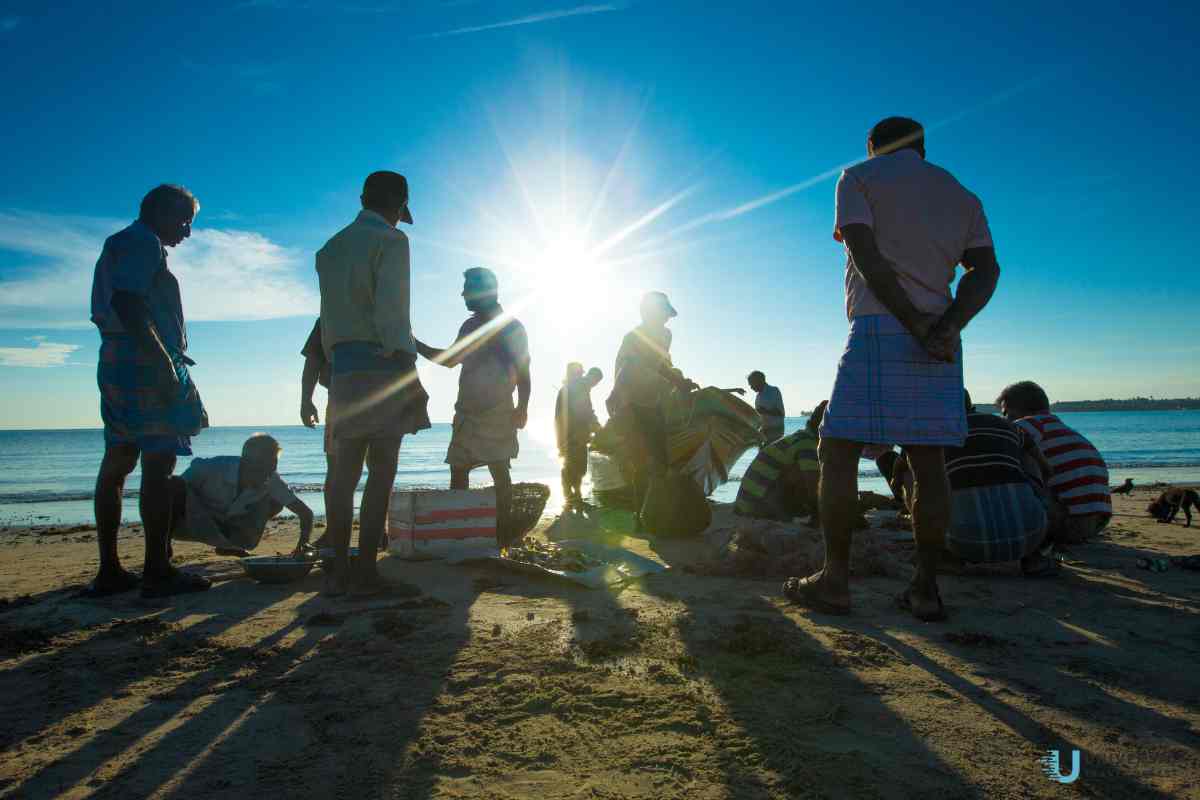
Fishermen’s Day is an important celebration in the Maldives, honouring the nation’s fishermen and recognizing their significant contribution to the Maldivian economy, culture, and daily life. As a country with an economy heavily reliant on fishing, this day is deeply rooted in the Maldivian way of life and is a source of pride for the islanders.
Significance of Fishermen’s Day
- Fishing is the backbone of the Maldivian economy, with tuna fishing being the primary livelihood for many locals.
- This day acknowledges the hard work, dedication, and traditional fishing practices that sustain Maldivian communities and contribute to global seafood markets.
- It is also a day to promote sustainable fishing and environmental conservation, ensuring the preservation of marine resources for future generations.
How Fishermen’s Day is Celebrated in the Maldives
Fishing Competitions:
- Fishing tournaments are organized across islands, where local fishermen showcase their skills and expertise.
- Competitions include traditional pole-and-line fishing methods, highlighting the sustainable practices unique to the Maldives.
Cultural Events and Performances:
- Bodu Beru (traditional drumming) and local dances are performed to celebrate the fishing culture.
- Storytelling sessions recount the history of fishing and its role in Maldivian society.
Seafood Festivals:
- Communities organize seafood fairs, offering freshly caught fish, traditional dishes, and cooking demonstrations.
- Popular dishes like Garudhiya (fish soup), mas huni, and grilled tuna are served.
Awards and Recognitions:
- Outstanding fishermen and contributors to the fishing industry are honoured with awards and certificates.
- Speeches and presentations emphasize the importance of sustainability and innovation in fishing.
Educational Activities:
- Schools and community centres host workshops and exhibitions on fishing techniques, marine biodiversity, and environmental protection.
- Discussions highlight the challenges faced by fishermen and the importance of safeguarding marine resources.
Fishermen’s Day in the Maldives
The Maldives proudly observes Fishermen’s Day, celebrating the hard work and dedication of its fishing communities. The day also serves as a reminder of the importance of sustainable practices to preserve marine ecosystems vital to the Maldivian way of life.
For Travelers in the Maldives During Fishermen’s Day:
- Attend Seafood Festivals: Enjoy a variety of fresh and authentic Maldivian dishes.
- Join Local Events: Participate in fishing competitions or watch cultural performances to immerse yourself in the festivities.
- Learn About Sustainable Fishing: Engage in workshops or exhibitions to understand the Maldivian approach to eco-friendly fishing.
Why Fishermen’s Day Matters
Fishermen’s Day not only honours fishermen’s contributions but also highlights the importance of sustainability in a rapidly changing world. It celebrates tradition, community, and the bond between the Maldivian people and their pristine marine environment. For travellers, it’s a unique opportunity to connect with the island’s culture and enjoy the freshest seafood in the region.